In Pictures
In Pictures: Fighting conflict and coronavirus in Nigeria’s Borno
In northeastern Nigeria, the threat of coronavirus grows among displaced people, but the conflict continues.
In Pictures
In northeastern Nigeria, the threat of coronavirus grows among displaced people, but the conflict continues.

Borno State, Nigeria – COVID-19? Yes, they have heard about it.
Staying at home? They fled their homes because of the fighting.
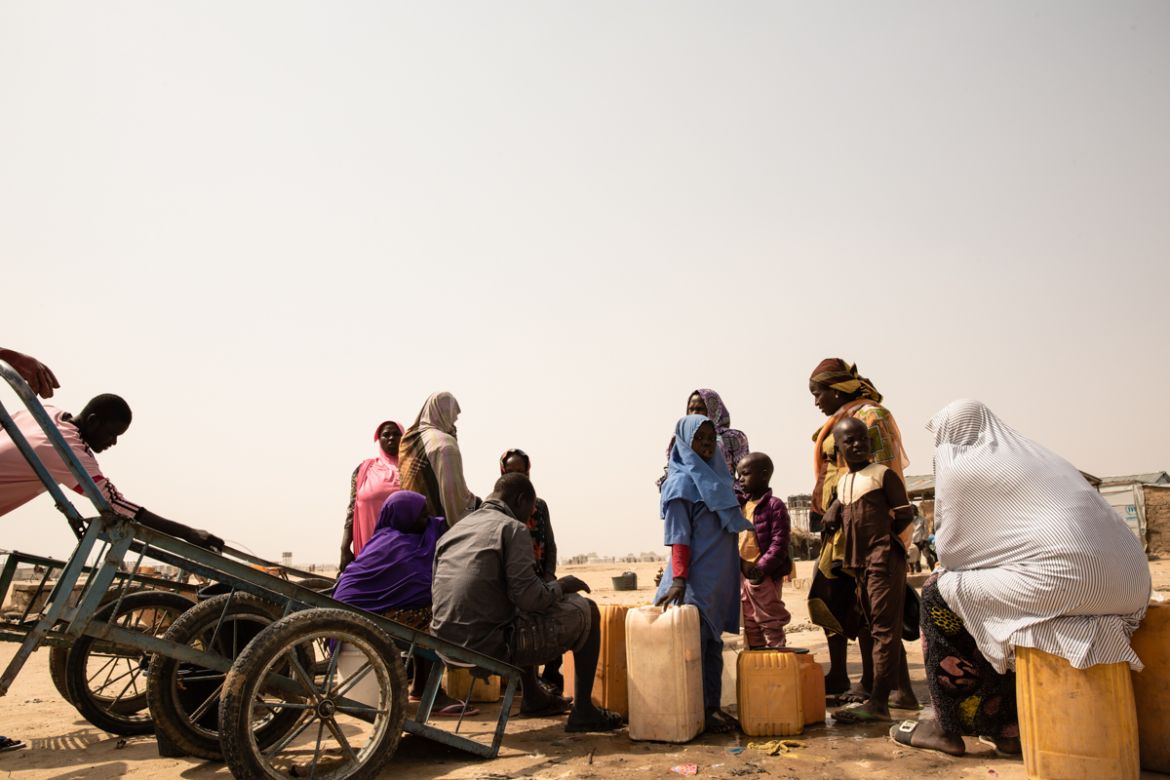
Social distancing? They would be happy to keep their distance, but how?
They wash their hands as often as they can and hope God protects them from this evil after all they have already been through.
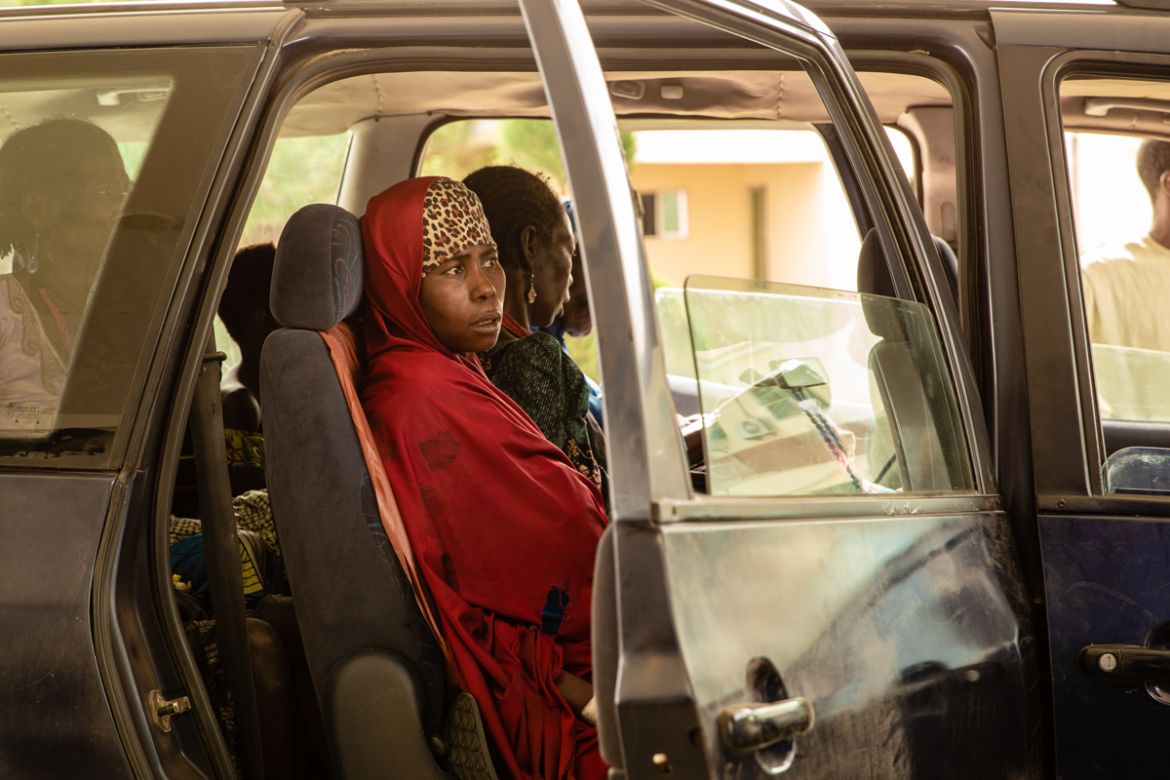
The women at the camp for displaced people in Maiduguri, the capital of Borno state, sit so close to each other that their bodies touch and the bright colours of their hijabs blur. Several dozens share a few square metres of shade under a hay roof.
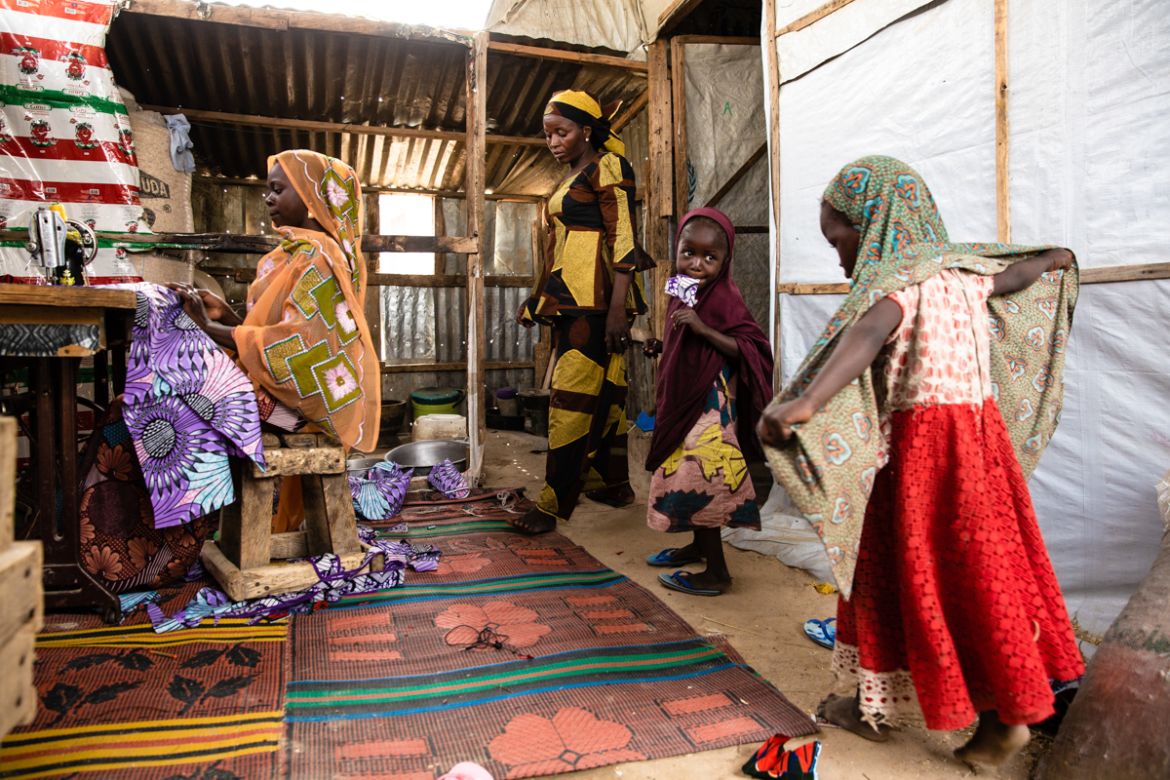
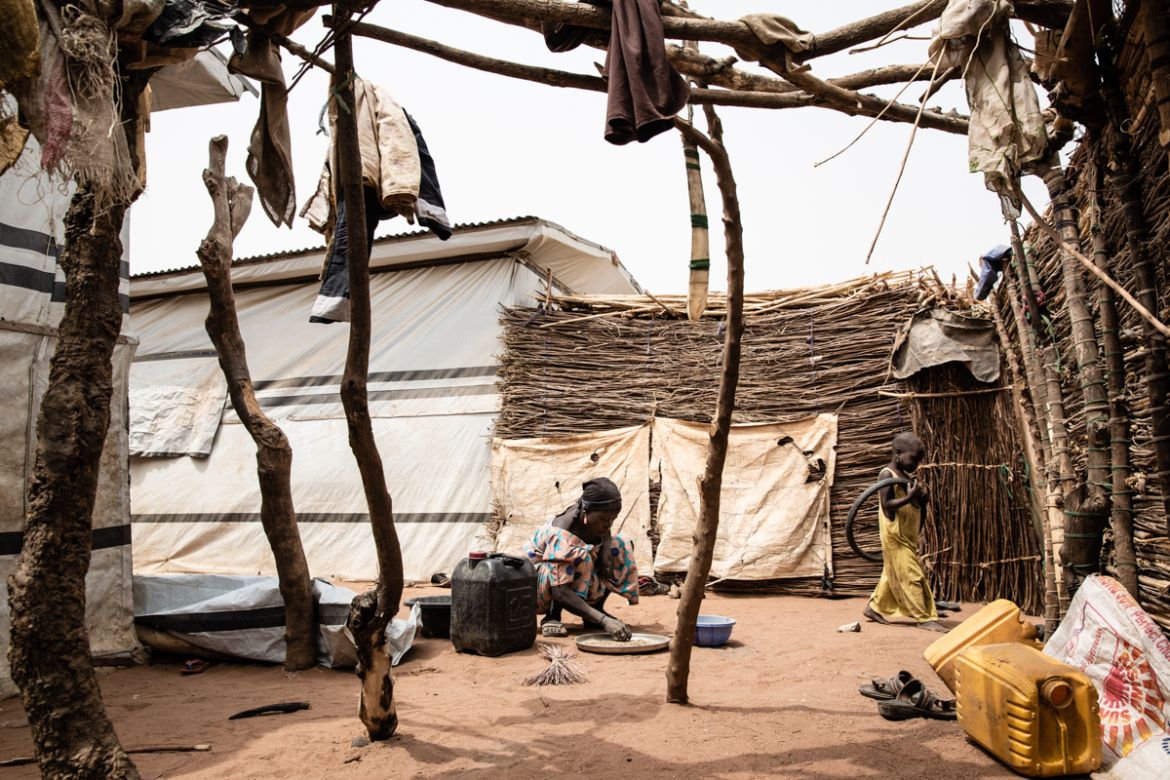
Every centimetre of space counts here. Jerrycans and cooking pots are stacked on top of each other and clothes hang from the roof.
Outside, the sun bleaches everything into near-white and the midmorning heat stifles all sound and movement.
The women came from towns and villages in war-torn Borno state, where for the past 10 years there has been a conflict between the military and various armed groups. They have joined some two million displaced people in the northeast of Nigeria. “New arrivals” they call them in Gubio, one of the numerous camps for the displaced in Maiduguri.
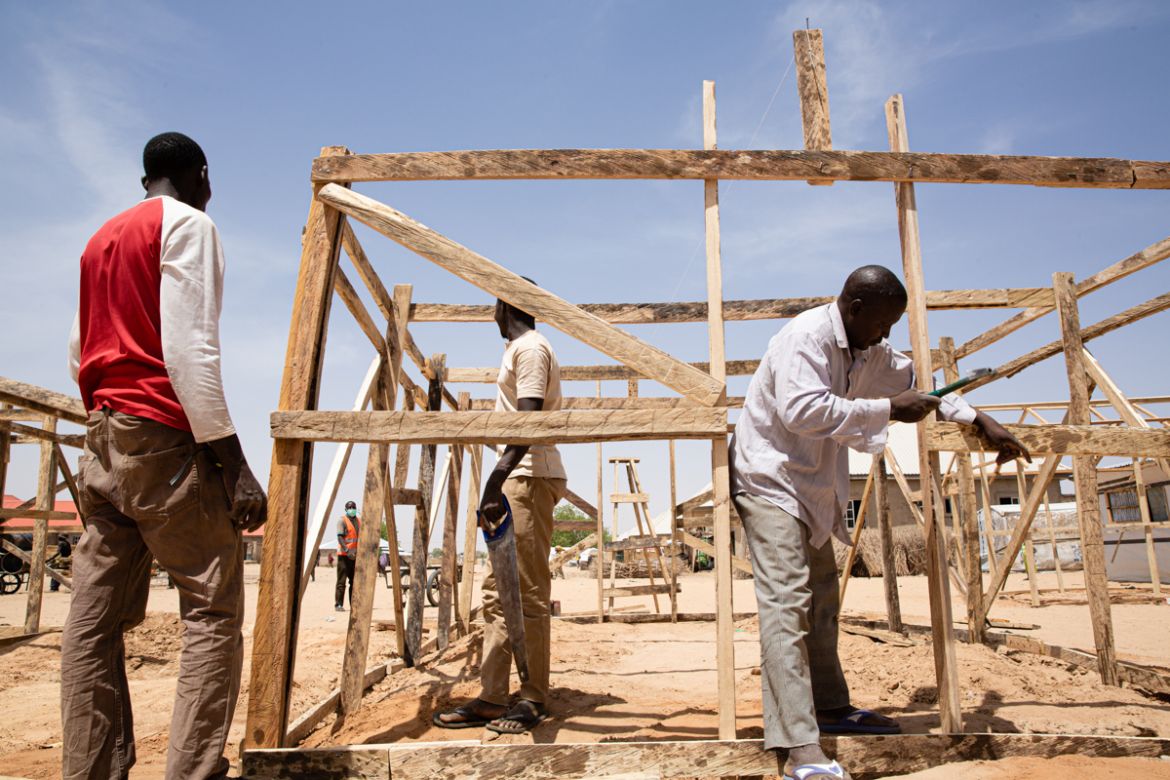
Being a “new arrival” means you have to start your life from zero, and you may not have a place to live.
Over the past few weeks, black plastic water containers for handwashing have appeared around the camp, while green and yellow posters share public health messages about the coronavirus.
But for the roughly 250 families who have arrived at the camp in recent months, following much of this guidance is impossible.
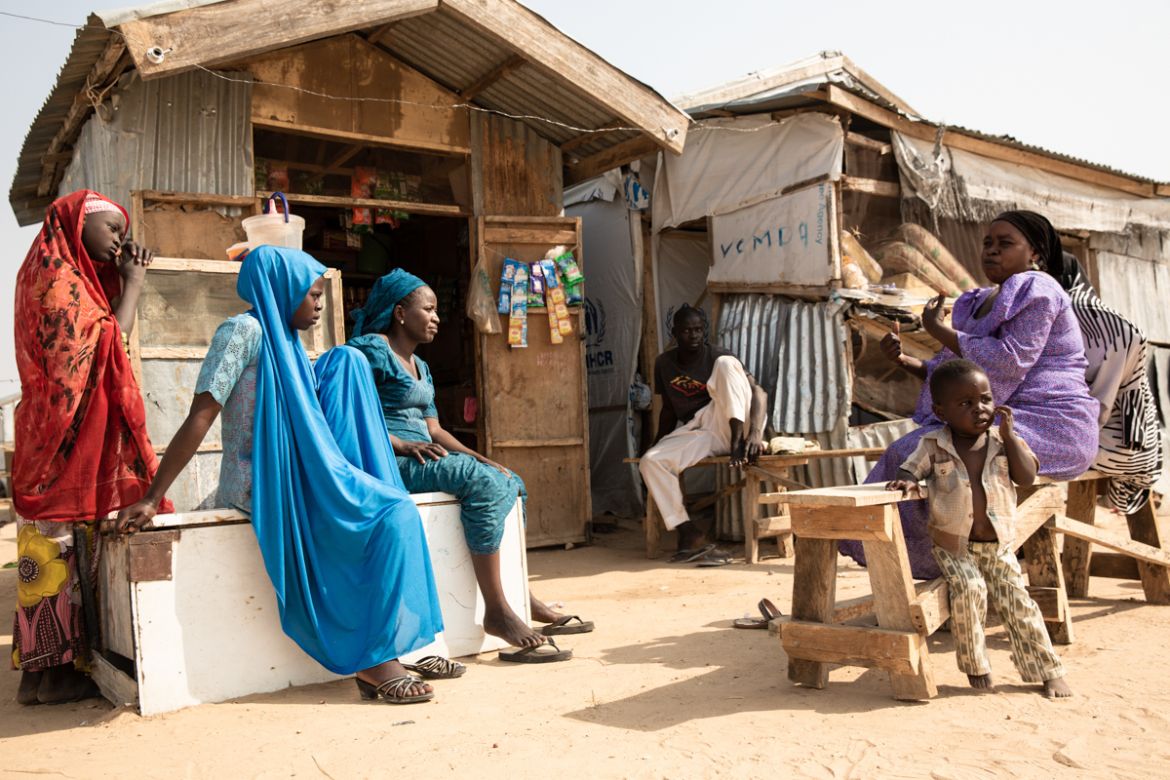
In Bakassi, the oldest of Maiduguri’s camps, the majority of the residents have been displaced for several years. There are neat rows of identical tarpaulin huts as far as the eye can see. Every family has a shelter. But many people find social distancing difficult to practise here as well.
Aishatu, a 38-year-old widow, shares a four-by-six metres hut with her 10 children. “I heard that I should avoid crowds,” she says. “It makes me nervous because it is very difficult to do.”
As the number of COVID-19 cases grows, many Nigerians feel the immediate economic impact of the restrictions on movement. For some of the displaced people, who have lost everything, including their social support networks, the blow is extremely hard.
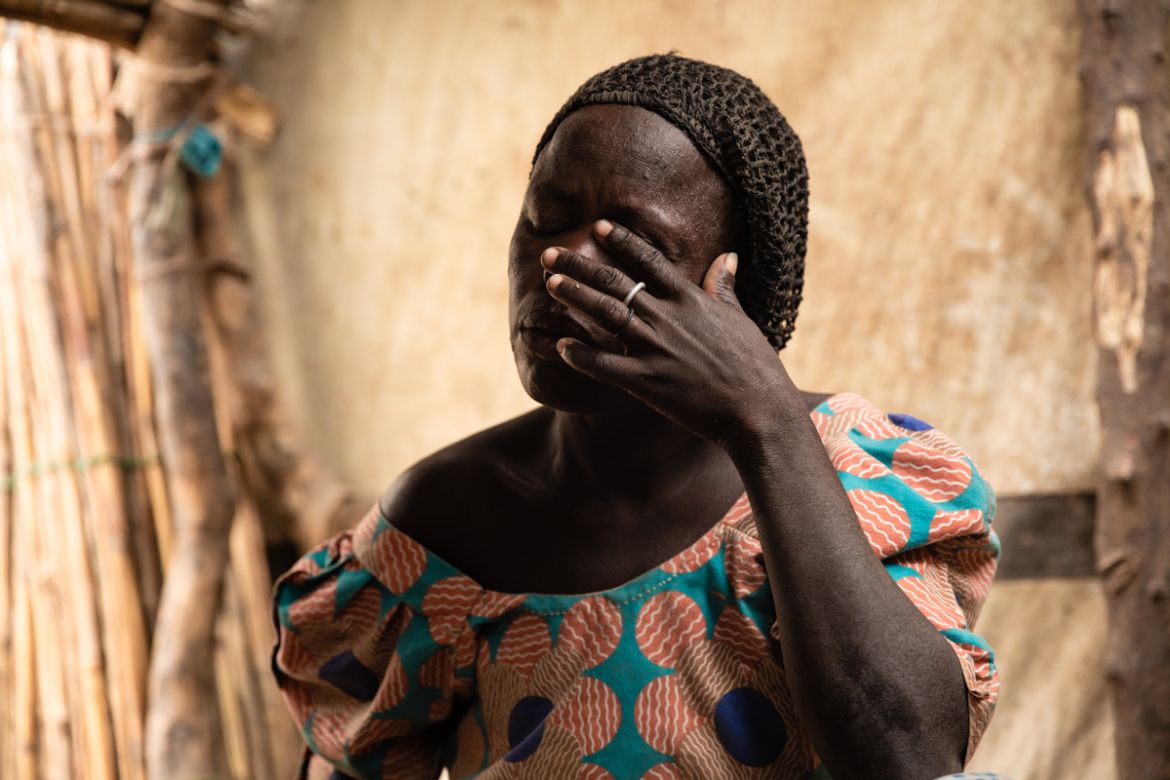
“I am scared to think what will become of my children and me in a time like this,” says Rebeca, a mother of six, who lives in one of the informal settlements for displaced people near Yola, the capital of Adamawa state.
Four years ago, Rebeca and her children fled their home in southern Borno when their village was attacked. Until this day, she does not know if her husband is dead or alive.
To feed her six children, Rebeca helps at farms on the outskirts of Yola, earning 200 Naira ($0.5) a day. But when Yola went into lockdown for two weeks at the beginning of April, the family lost this income.
While the global pandemic is spreading, the long-standing armed conflict has not loosened its grip on peoples’ lives.
This March, the number of attacks registered by the United Nations was twice that recorded in the same month of the previous two years.
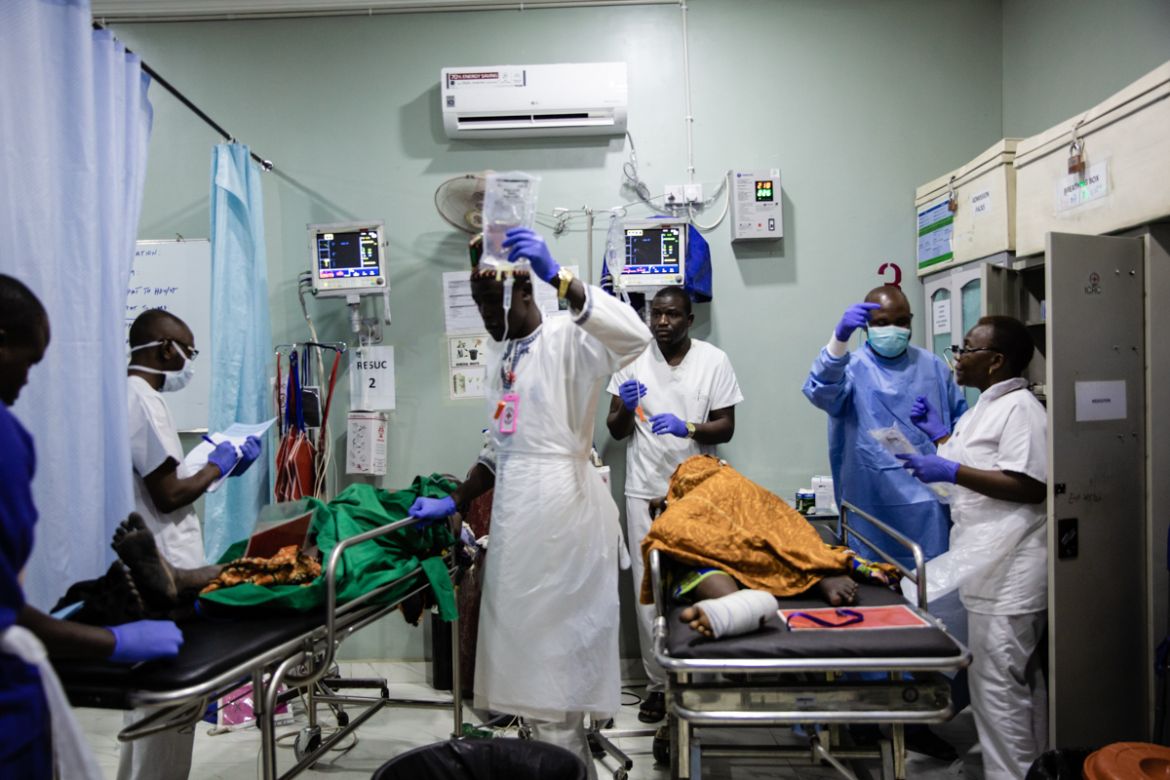
“We face constant dilemmas, as we are responding to the humanitarian emergency, and now there is also a global public health emergency that we have to consider,” explains Stanley Latani, a hospital project manager for the International Committee of the Red Cross (ICRC) in Maiduguri.
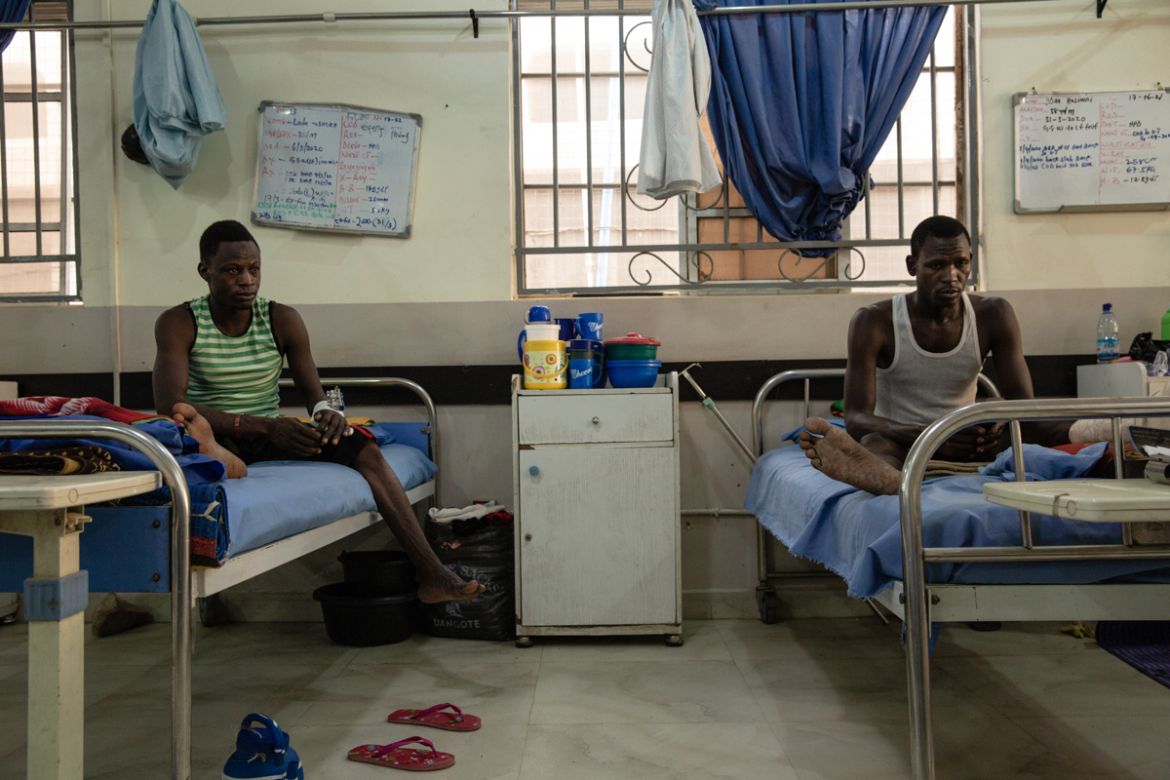
To increase the space between the beds and ensure physical distancing between the patients in its surgical ward, which treats war-wounded people, the ICRC had to review its admission criteria and treat as many cases as possible as outpatients. But as the violence continues and wounded people keep arriving, this standard is difficult to maintain.
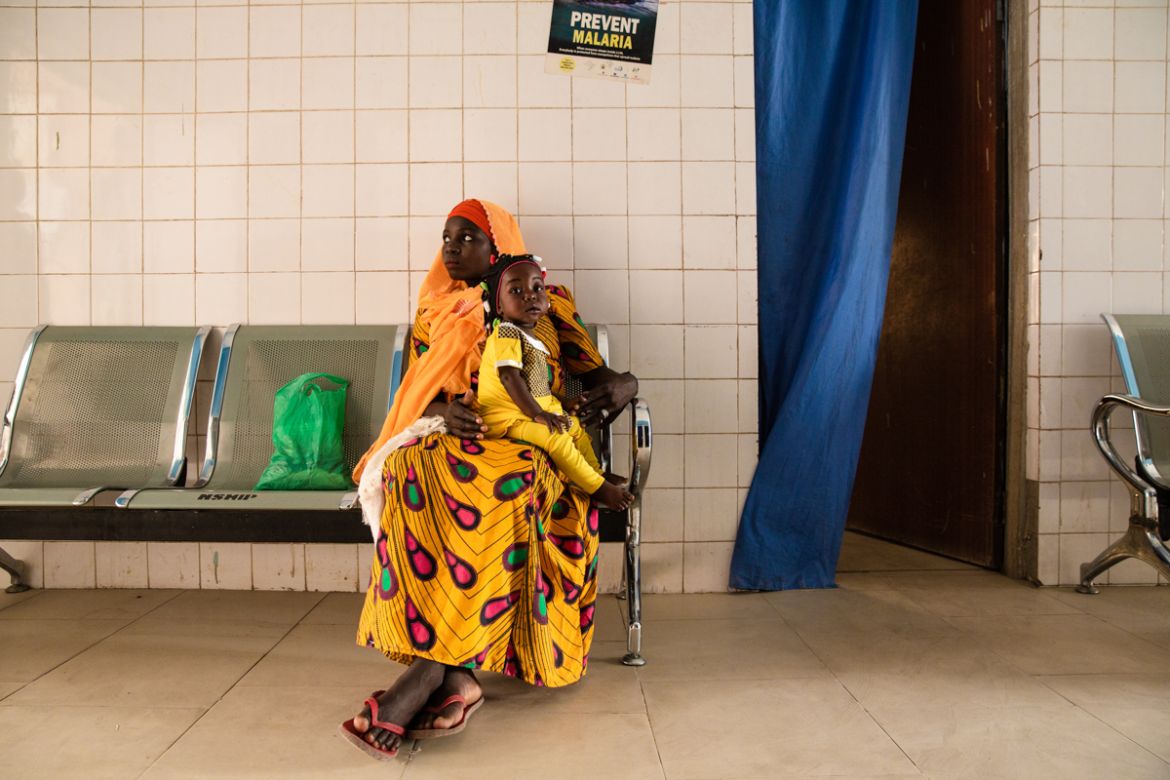
Before COVID-19 became part of the equation, 35 percent of the health facilities in Adamawa, Borno and Yobe states were damaged by the conflict, according to the World Health Organization (WHO). As a result of the lack of access to healthcare, people die of preventable and treatable diseases like malaria, measles and cholera.
The potential effect of the coronavirus, which has overwhelmed some of the best healthcare systems in the world, worries many health specialists.
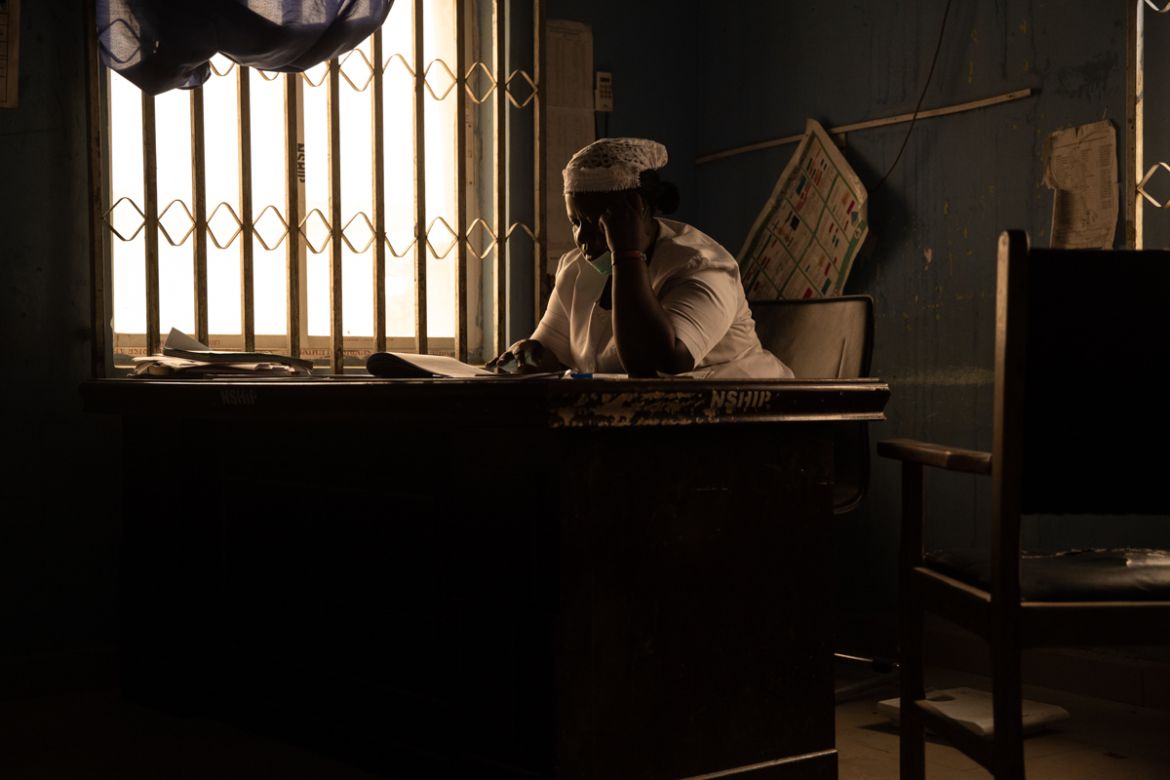
But healthcare workers in the northeast of Nigeria face an additional threat – being attacked.
“After all, you can take preventive measures against COVID-19,” says Clara Okafor, a nurse in Maiduguri Hospital, “[but] you cannot do anything to protect yourself from a blast.”