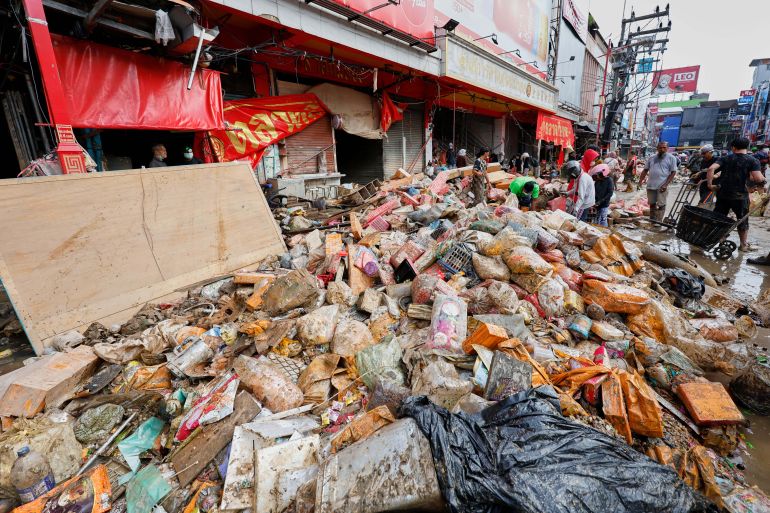
‘Neighbourhoods buried under mud’: Sri Lanka floods death toll reaches 334


Published On 1 Dec 2025
This live page is now closed.
This live page is now closed.
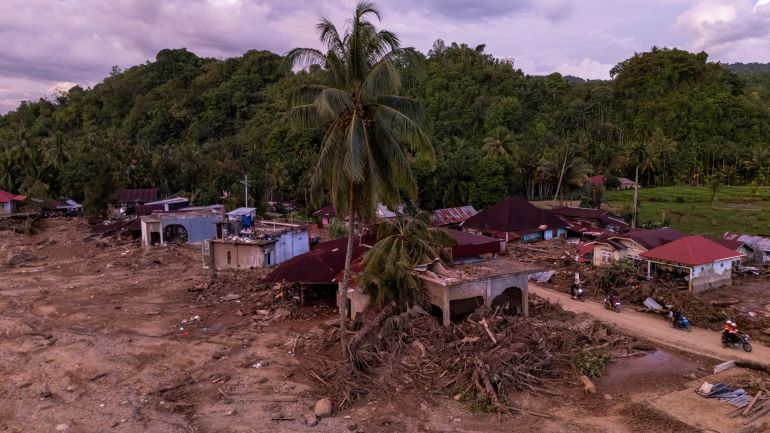
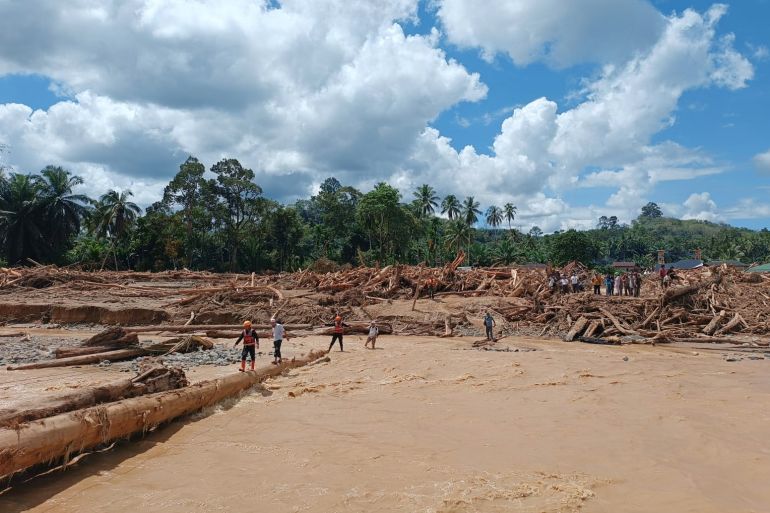
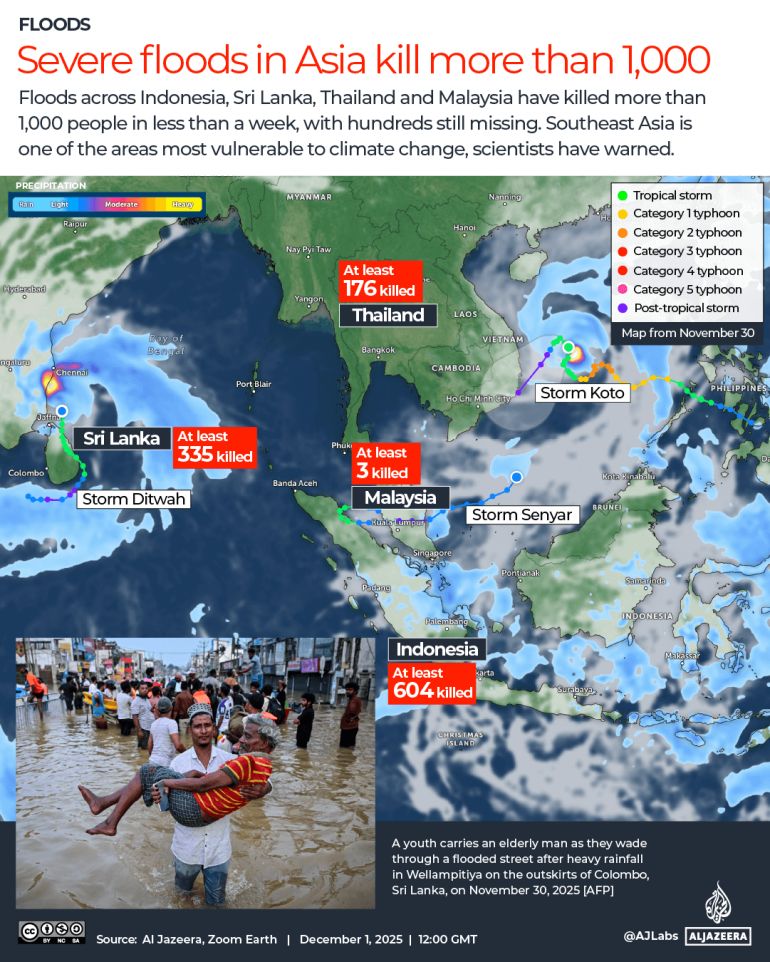
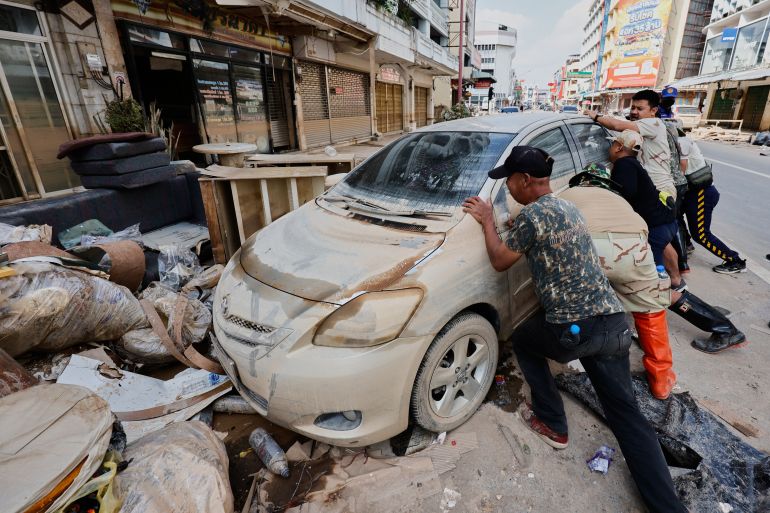
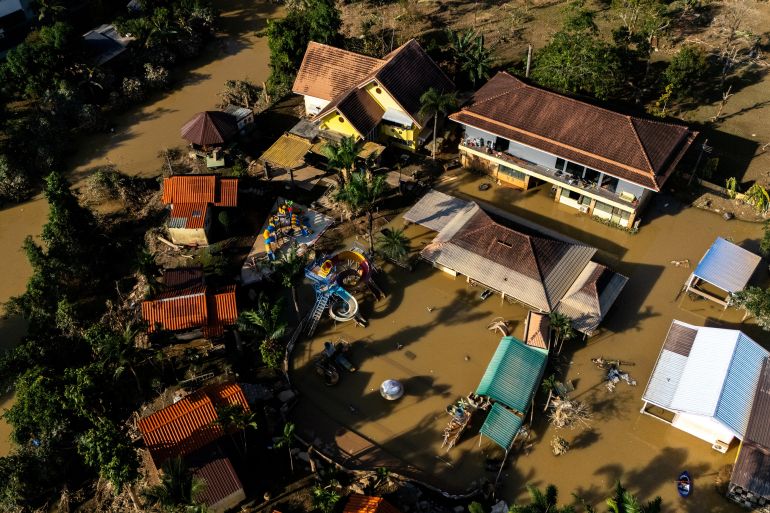
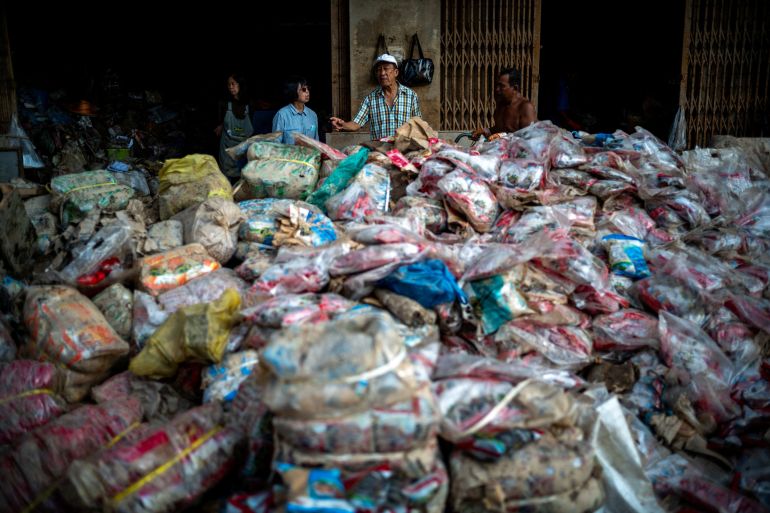
- Floods across Indonesia, Sri Lanka, Thailand and Malaysia have killed more than 1,140 people in less than a week.
- At least 604 people have been reported killed in Indonesia, 366 in Sri Lanka, 176 in Thailand and three in Malaysia.
- Sri Lanka and Indonesia have deployed military personnel to help victims of the devastating flooding.
- The Indonesian Agency for Meteorology, Climatology and Geophysics has issued a forecast for rain across much of the country.
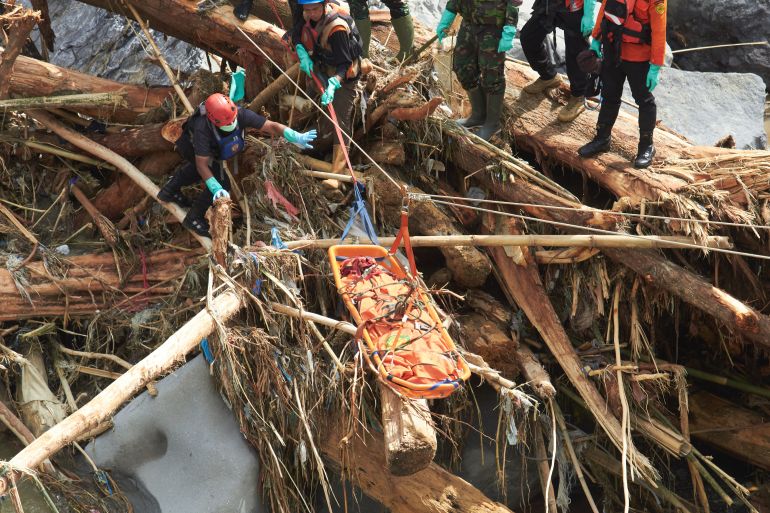
- Search-and-rescue operations have continued in multiple areas across all of the affected countries.