In Pictures
A Jerusalem village under siege
Access in and out of al-Issawiya has been severely restricted amid a wave of violence in Jerusalem.
In Pictures
Access in and out of al-Issawiya has been severely restricted amid a wave of violence in Jerusalem.

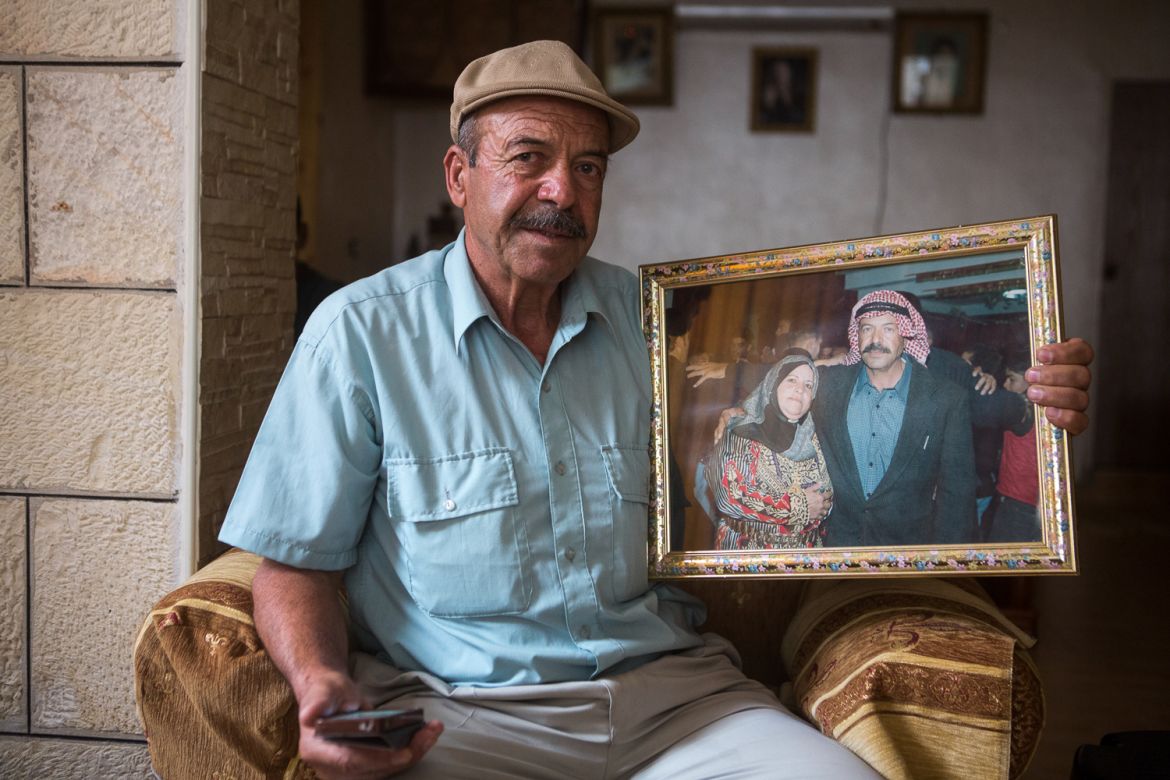
Al-Issawiya, occupied East Jerusalem – Tense and exhausted, Darwish Darwish, the mukhtar (head of the community) of al-Issawiya, a Palestinian village in East Jerusalem, hardly sleeps these days.
“Before all of this, the Israelis used to listen to me; now they don’t. They attack the young men, and even young women. They shoot at anyone deemed suspicious and kill innocent people,” said Darwish, who now spends much of his time on the phone with concerned villagers. “I am afraid things will only get worse.”
Home to around 16,000 Palestinians, Issawiya, like other Palestinian neighbourhoods in East Jerusalem, is plagued by poor infrastructure and a lack of municipal services, in striking contrast to the neighbouring, well-maintained Jewish settlements. It is nearly impossibly for Issawiya residents to obtain building permits, so left with no other choice than to build illegally, they often face home demolitions or hefty fines.
The village’s problems have intensified in the last month amid soaring tensions in the region, including a wave of shooting and stabbing attacks. The Israeli army has responded by killing suspected Palestinian attackers and conducting mass arrests and home invasions.
“This is the first time that the Israelis closed all access points to our village. I heard the Israeli soldiers are calling Issawiya ‘the little Gaza’,” 37-year-old resident Najat Darwish told Al Jazeera. These days, she barely leaves her home, and worries constantly about her children; her 15-year-old son, who attends school outside of the village, has had to miss several days of classes already.
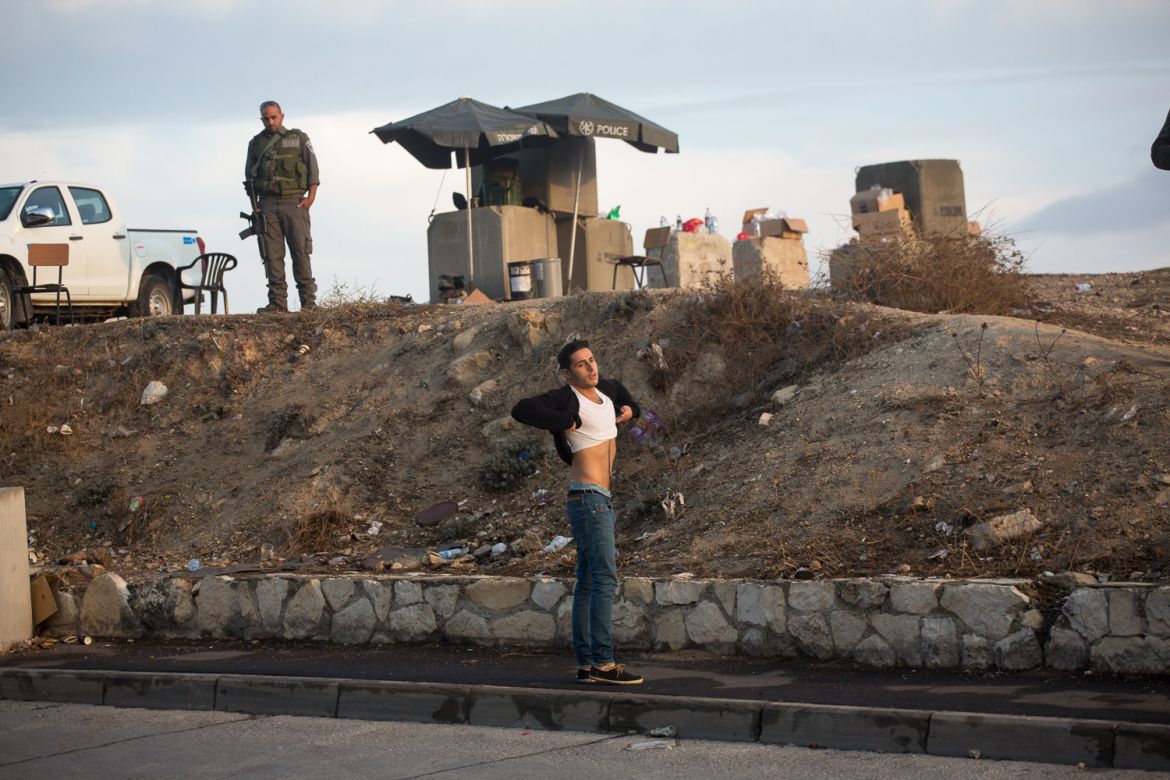
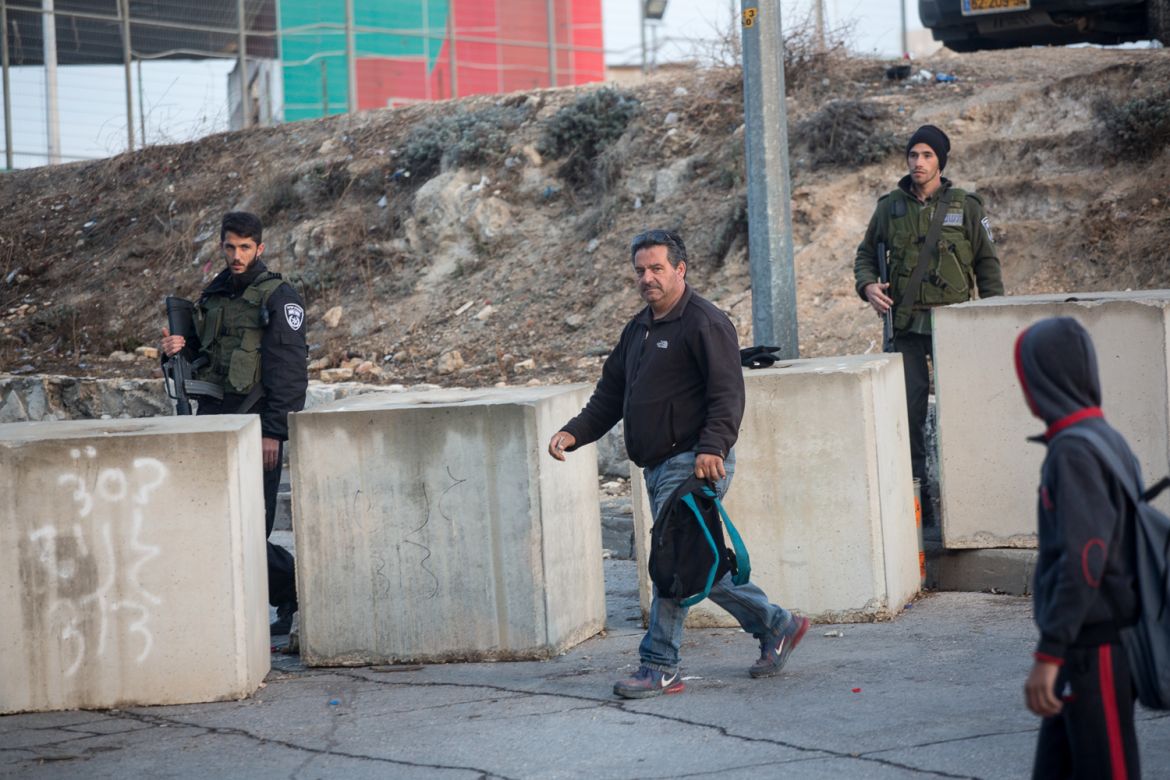
To leave the village, students and workers must cross through one of the new concrete-block checkpoints created by the Israeli army, where they are thoroughly searched.
“This is bad. The Israeli forces give us orders, they are rude to us and curse us,” Salah Darwish, a 49-year-old bulldozer driver, told Al Jazeera. “Before, I used to have a car picking me up from home. Now I need to wake up at 5:30am [and] walk to the checkpoint, only to return home by 6pm, completely exhausted.”
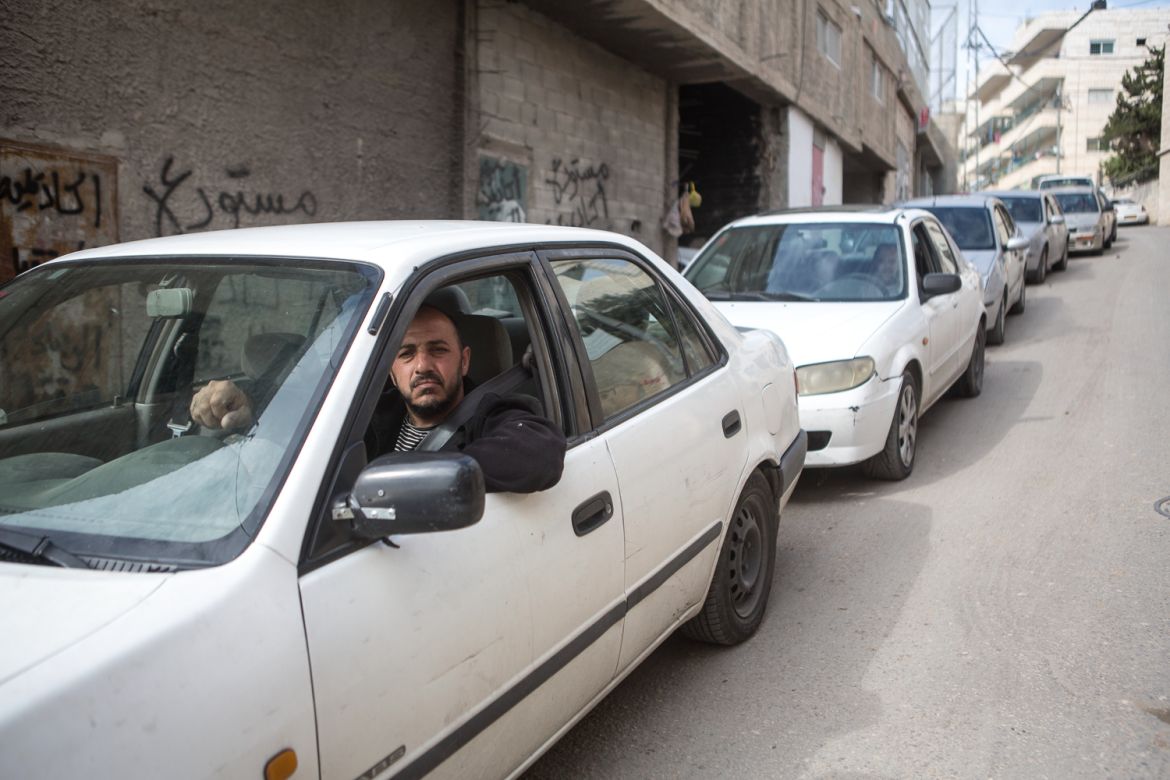
To drive out of the village through the single automobile checkpoint, people must often wait two hours or more. Last month, 65-year-old Huda Darwish died after inhaling tear gas that seeped into her home as she slept. Because of delays at the checkpoint, they could not reach the hospital in time, the family said.
“When they arrived, the doctor told them it was too late, and my mother had died of heart failure,” her daughter, Nidaa Darwish, told Al Jazeera.
In another incident last month, an Israeli soldier shot 36-year-old Luay Faisal Ubeid in his left eye with a sponge-tipped bullet. “When we took him to hospital, they refused to take him in for treatment, because of a problem with his health insurance, and we had to go from one place to another, from 8pm until 3am, until he was finally treated,” a relative of Ubeid told Al Jazeera, noting the father of five lost both his eye and his livelihood as a bus driver for tourists.
Dozens of people from the village have been arrested over the past month, and several others injured or killed, Darwish Darwish said – including Fadi Alloun, whose shooting by Israeli soldiers sparked much controversy. Posters commemorating Alloun still hang around the village, together with graffiti calling for an uprising.