In Pictures
In Pictures: Benin restores slavery monuments
Renovation of Ouidah’s history museum part of Benin’s drive to ensure future generations know ancestors’ suffering.
In Pictures
Renovation of Ouidah’s history museum part of Benin’s drive to ensure future generations know ancestors’ suffering.

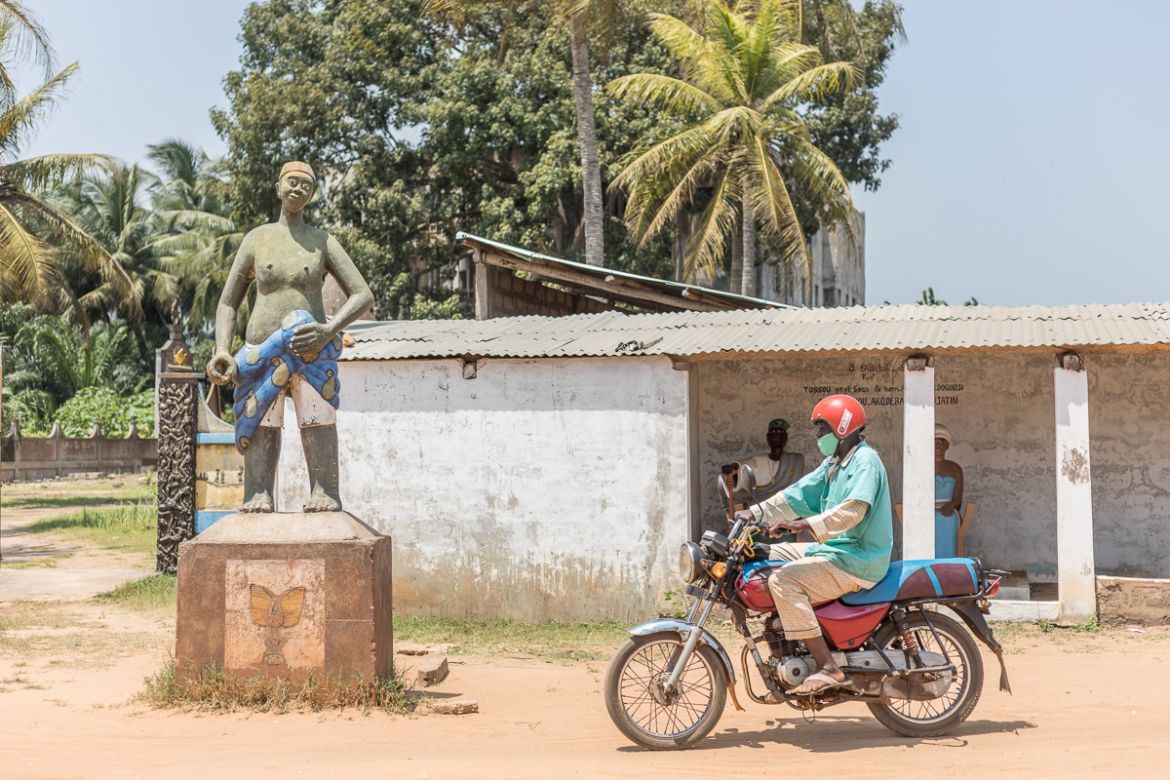
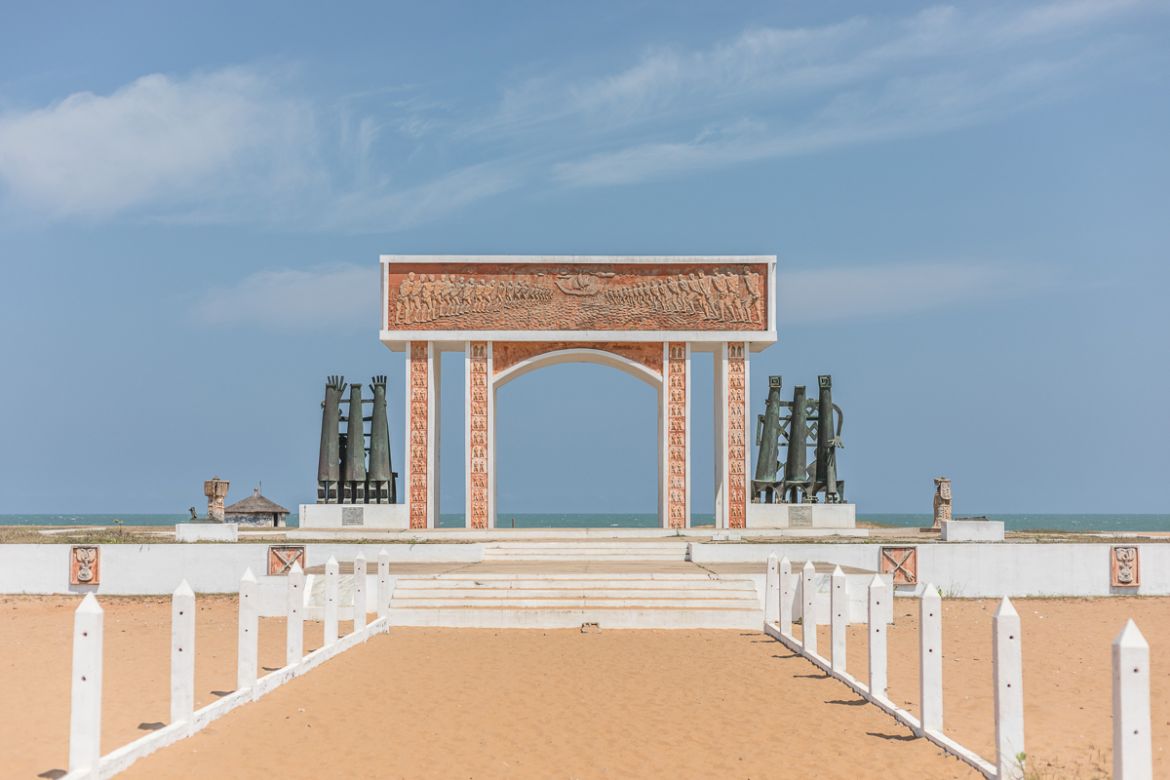
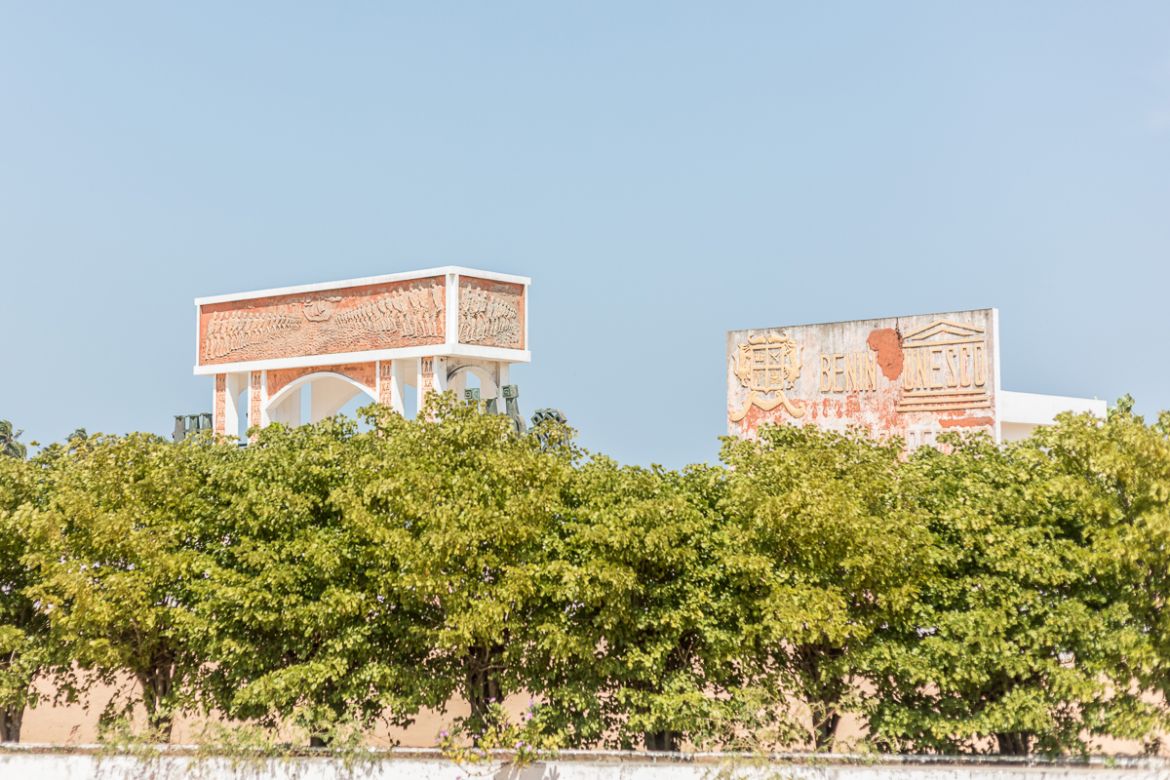
As Western cities see statues of slaveholders and colonialists toppled, Benin’s coastal town of Ouidah is going the other way, restoring monuments of the painful era of the slave trade.
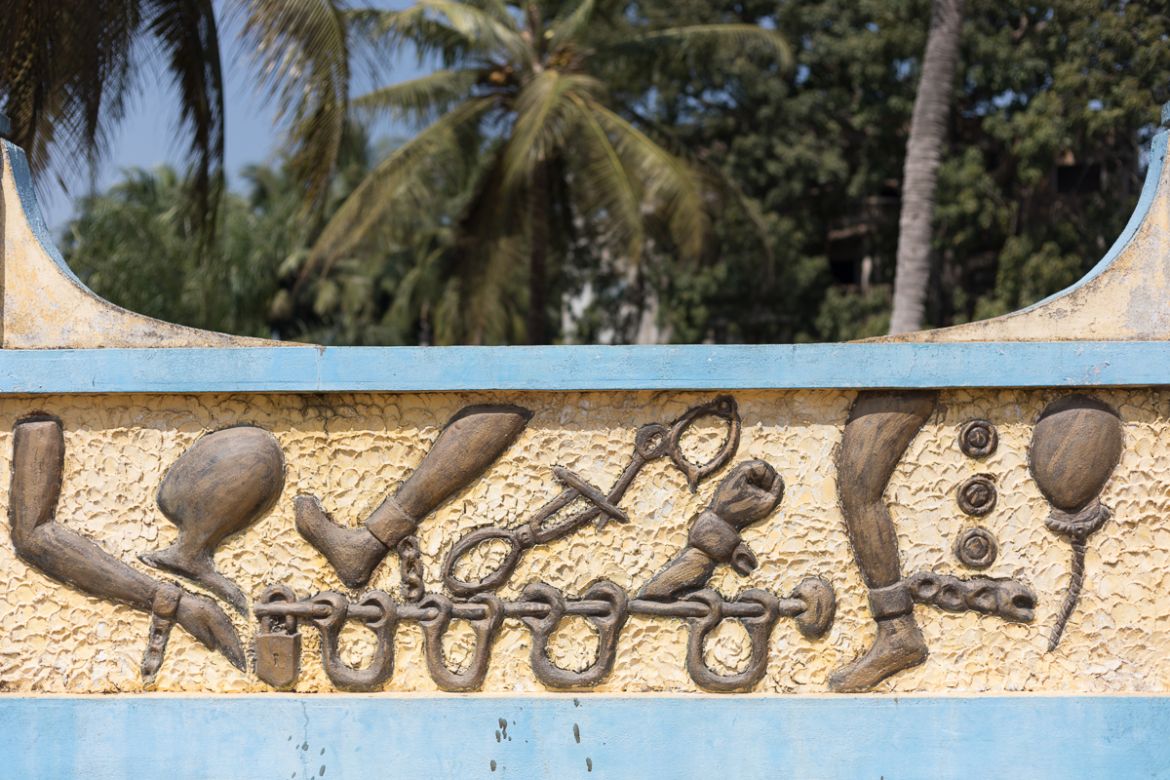
During the 17th and 18th centuries, European slavers held more than one million African men, women, and children in Ouidah’s Portuguese Fort before shipping them across the Atlantic in abominable conditions.
Ouidah, 40km (25 miles) from Benin’s economic hub of Cotonou, was one of the main slave staging posts to the Americas, according to Yale University research.
It ranked alongside “slave coast” ports in modern-day Ghana and the swathe of Central Africa that today encompasses Angola, the Republic of Congo, and the Democratic Republic of Congo.
In Benin, coveted for slave trade by Portugal, Britain, and France, villagers were captured in surprise raids orchestrated by powerful local chiefs.
The renovation of the Ouidah fort and the history museum inside it is part of Benin’s drive to ensure that future generations of Africans know their ancestors’ suffering.
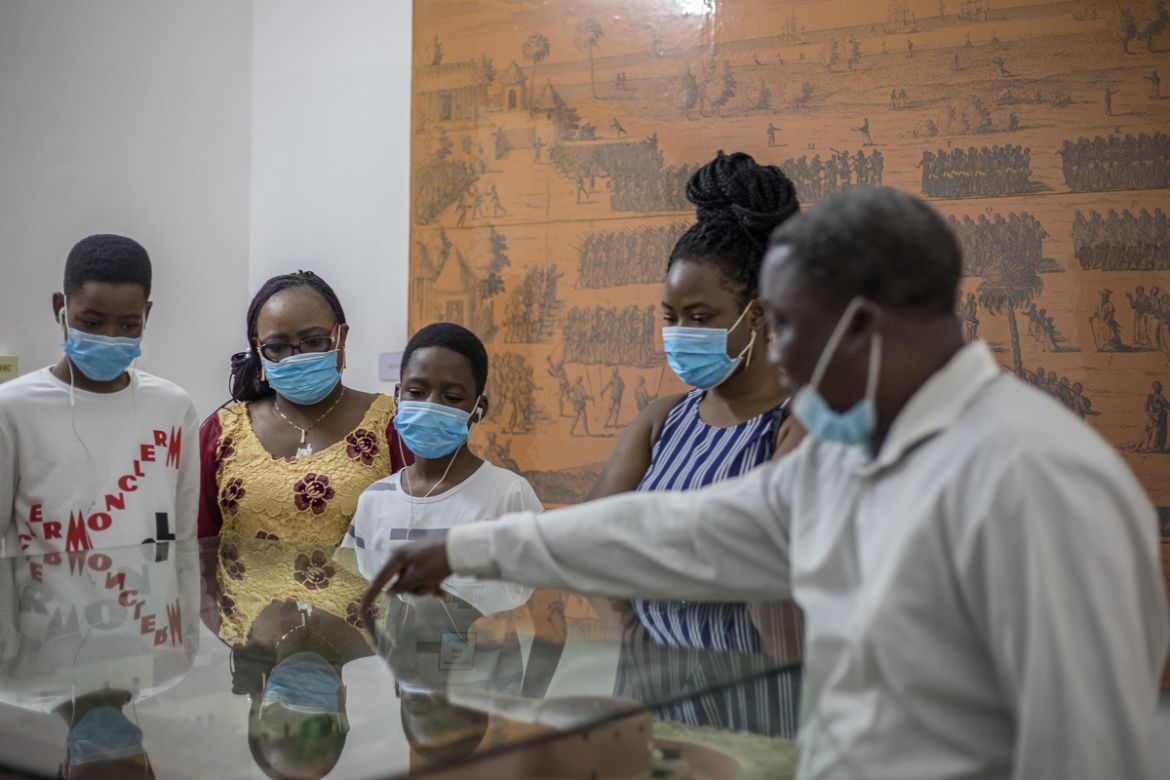
“When I see these chains that hobbled our ancestors, I feel sick,” Benoit Daounde said as he studied a number of artefacts moved to a temporary exhibition.
|
|
“But it’s our history. We must accept it and tell it to future generations,” said Daounde, a UN official who returned to Benin on holiday from his posting in Cameroon.
“Our children know nothing of all that. Slavery must be taught in school and more than in just a few lessons.”
Daounde is one of a stream of other Beninese, Ouidah residents, and historians who have visited the temporary exhibition since it opened on August 3.
Under protective glass in the main hall, visitors can inspect crusty old maps used by Portuguese mariners, along with guns used in the trade.
Visitors can also see portable altars used in ceremonies by the long line of kings of former Dahomey, founded around 1600 and crushed by French colonialists in 1894.
The museum houses a church bell brought by Roman Catholic missionaries, together with a sinister selection of chains and other implements used to bind slaves.
Ulrich Lantonkpode, a jurist who grew up in Ouidah before moving to the capital Cotonou, said before the exhibition he “lacked elements and information about the culture and history of [his] family”.
“I appreciate this exhibition as much as the idea to rebuild the Portuguese Fort, enabling us to safeguard this history,” he added.
|
|
“We need tough action, way beyond the movements to reclaim Black causes,” argued Eric Accrombessi, a tourist guide born in Ouidah.
“The renovation of these places will better illustrate the course of history to pass on to future generations.”
The authorities are also building an International Museum of Memory and Slavery, with a tourist complex of 130 rooms and places of reflection, and a reconstruction of a slave ship.
Historian Sarah Pruitt stressed while exact numbers will never be known, about 12.5 million Africans were forced on to the ships between the 17th and 19th centuries.
Of these, some 10.6 million survived the crossing.