In Pictures
For struggling Afghanistan families, next meal a matter of faith
The UN estimates nearly 23 million Afghans – about 55 percent of the population – are facing extreme levels of hunger.
In Pictures
The UN estimates nearly 23 million Afghans – about 55 percent of the population – are facing extreme levels of hunger.

As winter sets in, Afghan widow Kubra needs to find fuel to heat the single room where eight family members live in the central province of Bamiyan. The flour they bought months ago is running out, so food is also becoming scarce.
“We got two sacks of flour last spring which we are still using. After that, we have to have faith that God will help us,” the 57-year-old said in a room lined with rice sacks to keep out the cold.
Their firewood was stolen when they left their home amid the chaos that engulfed Afghanistan, as the Taliban swept towards Kabul on their way to seizing back control of the country.
Stories like Kubra’s are increasingly common in a country struck by severe drought and where money has run dry.
Before the Taliban toppled the Western-backed government in August, the economy relied heavily on foreign aid. But with the international community wary of the group and the United States imposing sanctions on some of its leaders, that support has all but disappeared.
The United Nations estimates nearly 23 million Afghans – about 55 percent of the population – are facing extreme levels of hunger, with nearly nine million at risk of famine as winter takes hold.
Life for Afghanistan’s poor has always been hard; Kubra’s family works on farms in the spring, earning potatoes instead of money.
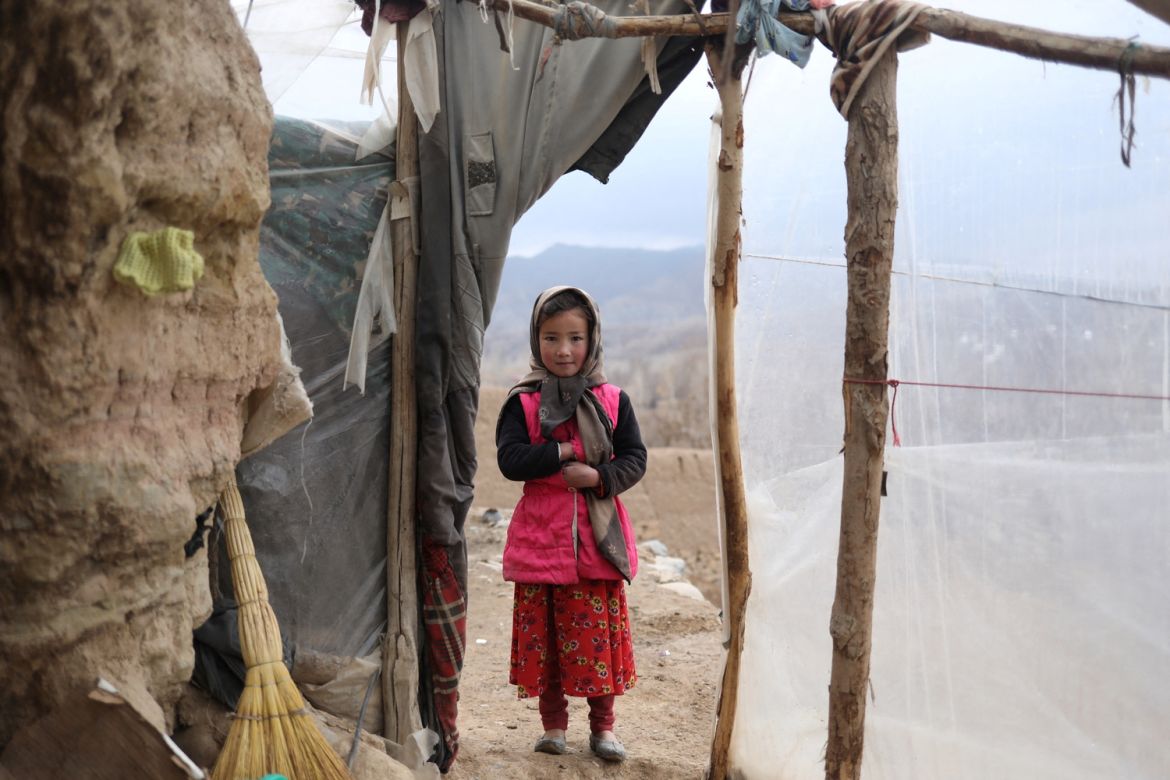
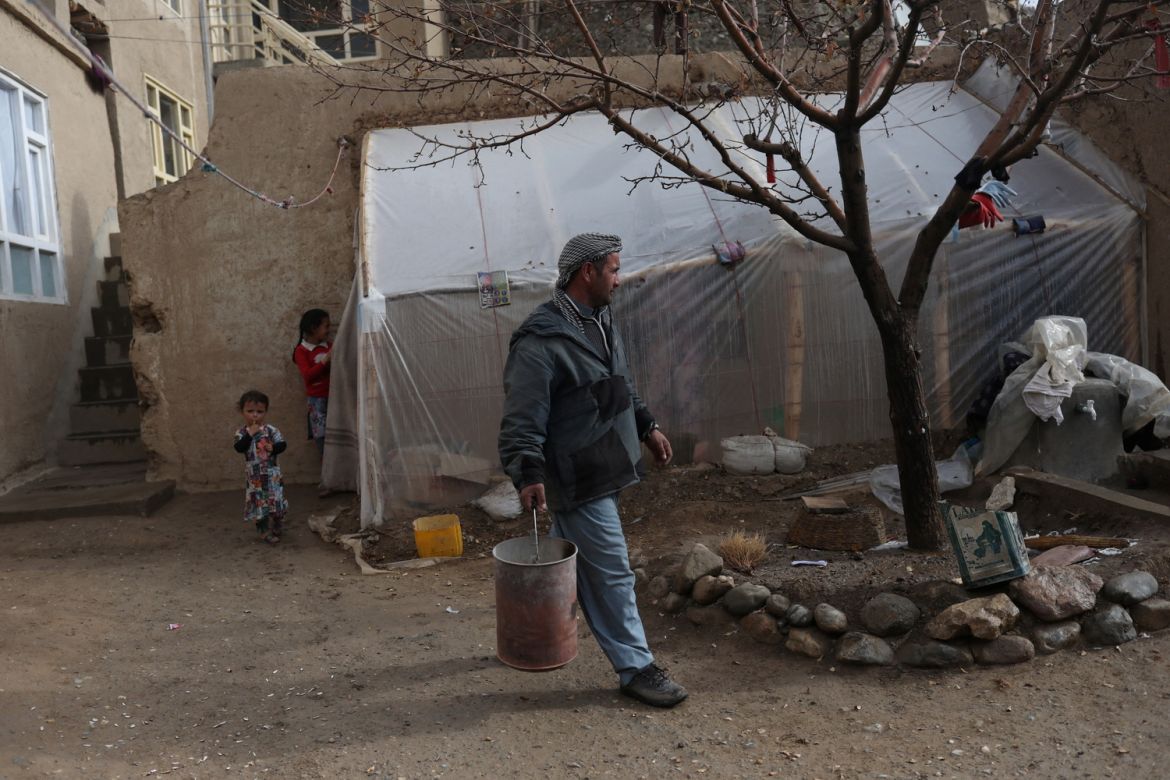
But it is getting worse. Vegetables such as cauliflower are out of reach, and plastic sheets protect their home from the freezing weather and snow. There is so little space in the single room that Kubra sleeps at her sister’s house at night.
“My son used to collect pieces of scrap metal but right now he has no work,” she said.
Already vulnerable after months of severe drought and decades of war that forced many to flee homes for relatively stable regions like Bamiyan, Afghans are entering the unknown.
“We never used to have different kinds of food but in the past it was all right, we had rice and cooking oil,” said Massouma, a 26-year-old mother of four from the neighbouring province of Maidan Wardak.
“We used to cook once a day and that was good. Now it’s once a week and sometimes there isn’t even any bread to eat.”
Bamiyan is best known outside Afghanistan for imposing Buddhist sites which dominate the little market town, 20 years after the Taliban blew up the two giant statues that once looked down over the high plains.
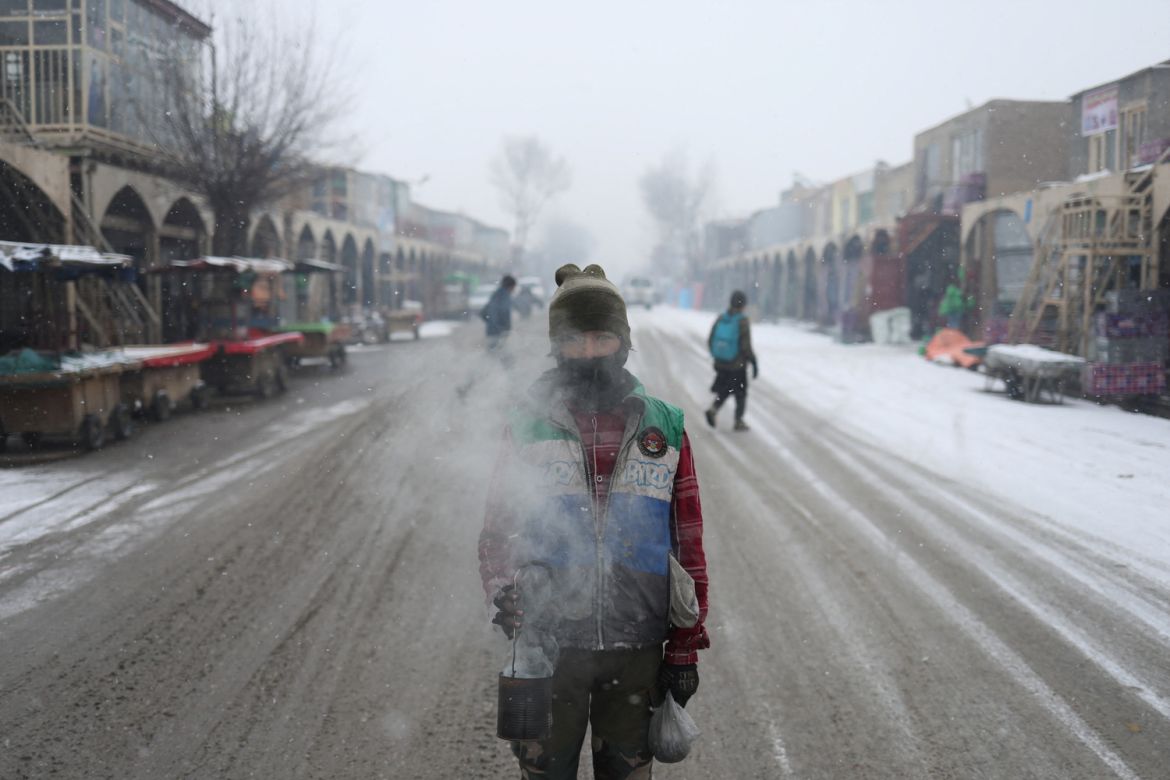
In winter, it is bitterly cold, with temperatures that can drop below freezing and biting winds.
Work slows in the cold months, but the region was already suffering since the visitors who once came for the Buddhist sites and the nearby Band-e-Amir lake disappeared as the Taliban offensive reached its climax.
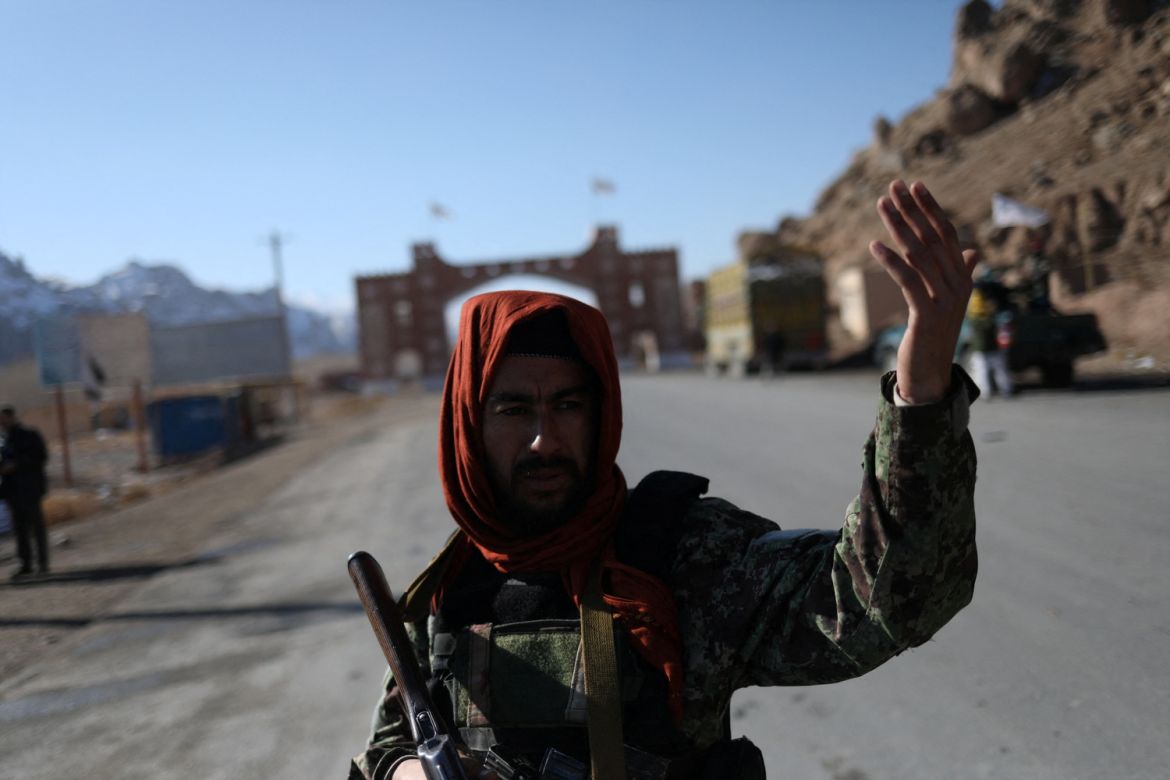
Taliban officials say they are aware of the problems facing the poor, which they say stem partly from the effects of more than four decades of conflict and mismanagement under the previous government.
They have also repeatedly called on Washington to unblock about $9bn in central bank assets.
“We intend to ease these problems,” said Taliban spokesman Zabihullah Mujahid. “We know what the people are facing.”