In Pictures
Photos: Mauritanians dig deeper wells to cope with climate change
Droughts have long been an issue in Mauritania but in recent years, rains have been erratic and inconsistent there.
In Pictures
Droughts have long been an issue in Mauritania but in recent years, rains have been erratic and inconsistent there.

Lemghaysse, Mauritania – Growing up in this arid corner of southeast Mauritania, on the edge of the Sahara desert, Ahmed Brahim remembers how seasonal rains would transform the landscape each year.
Watering holes served local livestock, fruit ripened on trees, and animals would graze on the surrounding vegetation.
“With drought, with climate change, everything has changed,” Brahim, founder of the local nonprofit SOS Desert, which works on water access and climate adaptation efforts, told Al Jazeera. “Each year the groundwater levels diminish, each year we see dead zones, we see erosion, we see the advance of the desert, we see areas that were for agriculture yesterday, but today aren’t any more.”
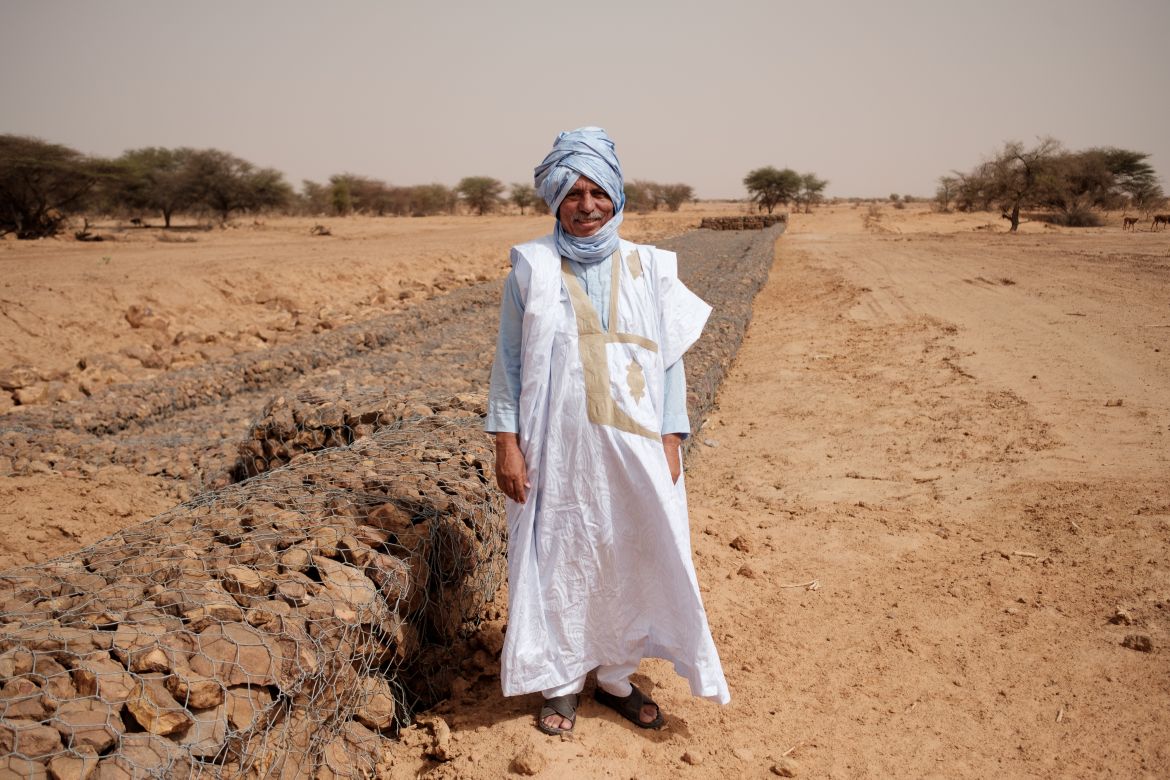
Lemghaysse has seen better days, Sidi Maytigue, the village chief told Al Jazeera, standing in a dried-out seasonal lake bed.
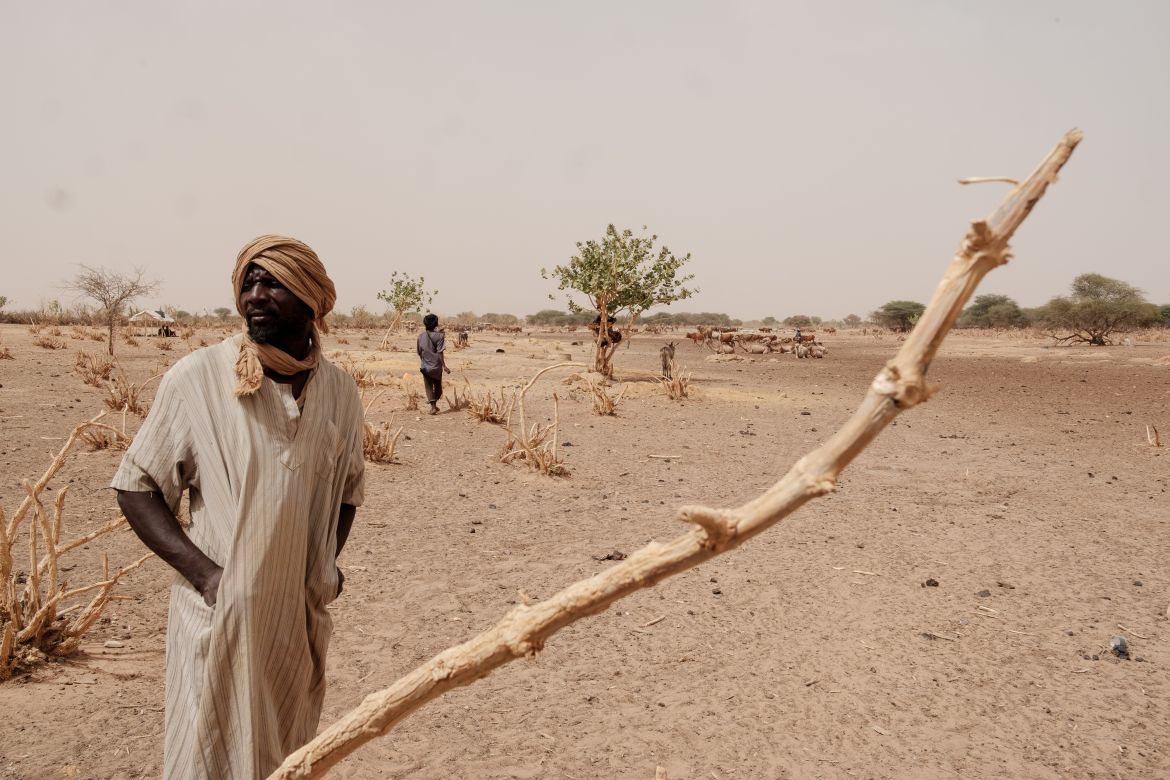
Droughts have long been an issue in Mauritania, but since the 1980s, he said, they seem to be getting worse than farmers and herders remember in the past – less of a part of nature’s cyclical, if sometimes cruel, rhythms, and more of an ever-present menace.
In recent years, rains have been erratic and inconsistent, sometimes too light, other times overwhelmingly strong – as evidenced by a collapsed well nearby, brought about when a torrential rain soaked the landscape.
The words “climate change” are on everyone’s lips.
Each year of bad rains, more people leave, hoping to make a living in one of Mauritania’s cities, Maytigue said.
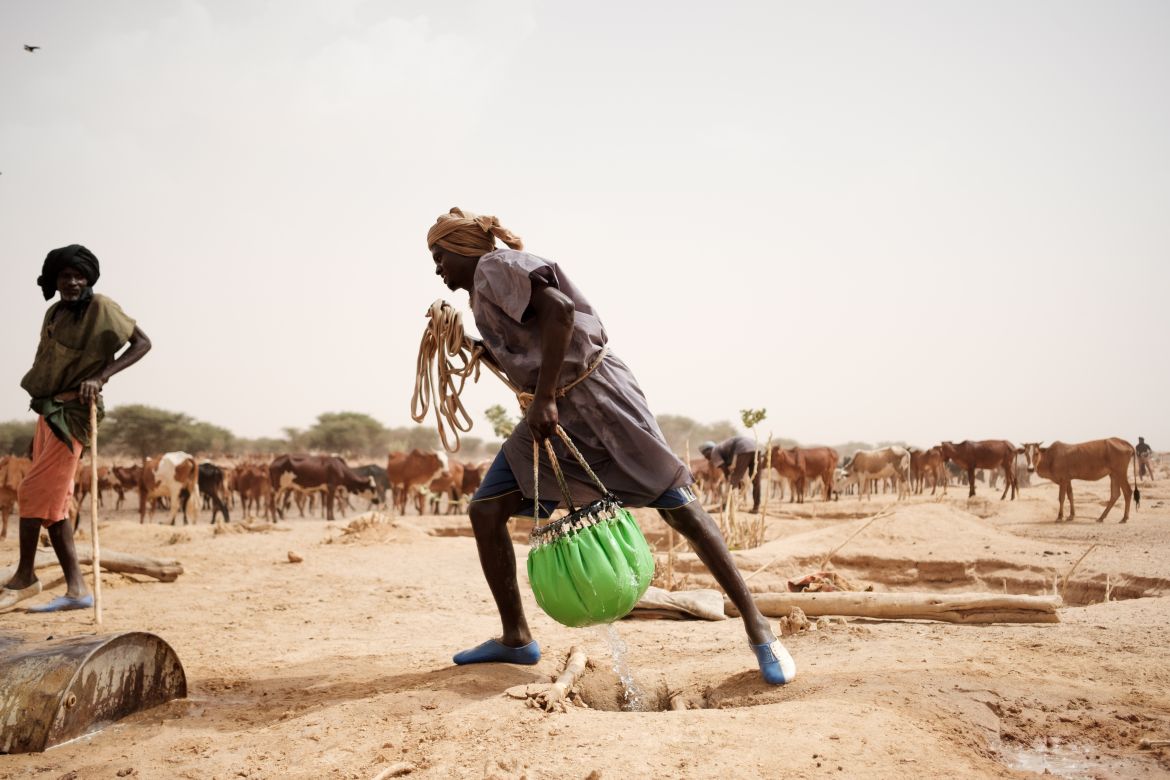
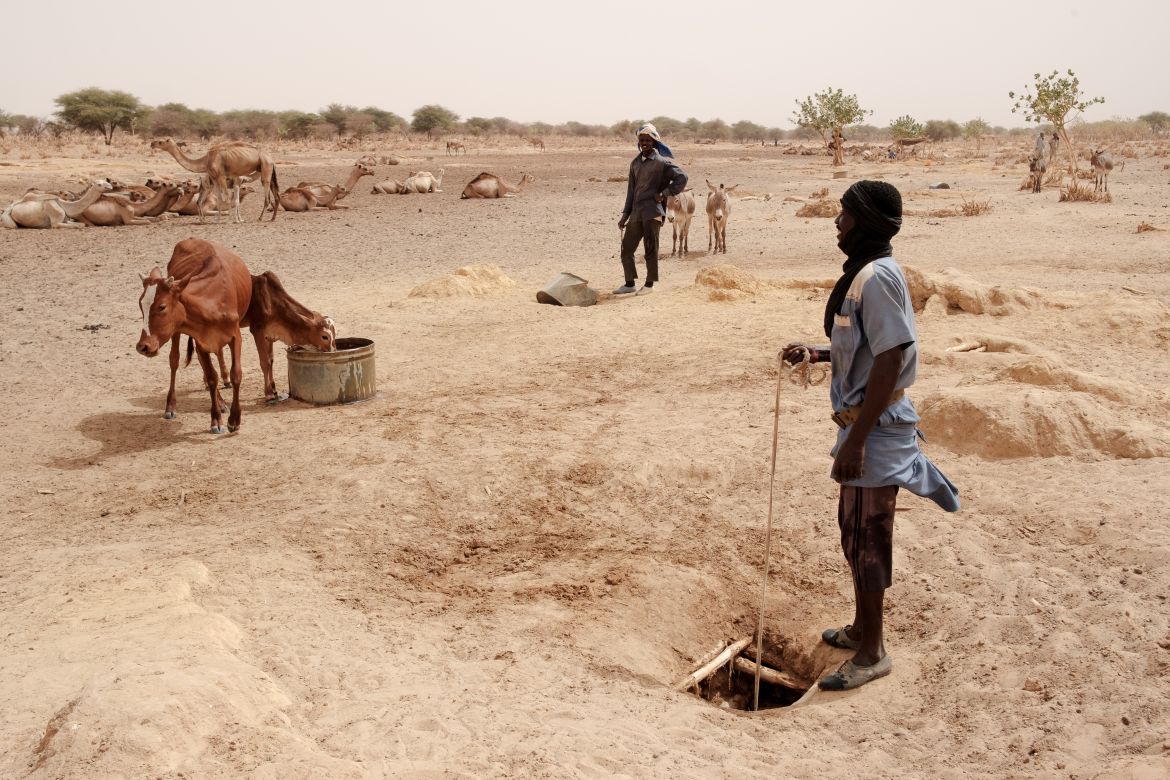
Those who stay behind are doing their best to adapt to the changing climate to preserve their way of life, steeped in agriculture and raising livestock. Wells are dug deeper, as water that was once just a metre below the surface is now five to eight metres down.
A series of dams were built last year, with help from the United Nations refugee office, bisecting the lake bed. Even though the last rainy season was weak, they helped trap rains to recharge the groundwater and retain surface water for livestock. That was crucial not just for herds owned by local Mauritanians, but for the sheep and cows owned by a growing refugee population fleeing conflict in Mali.
A good rain, one of these days, will bring back a solid body of water, residents hope.
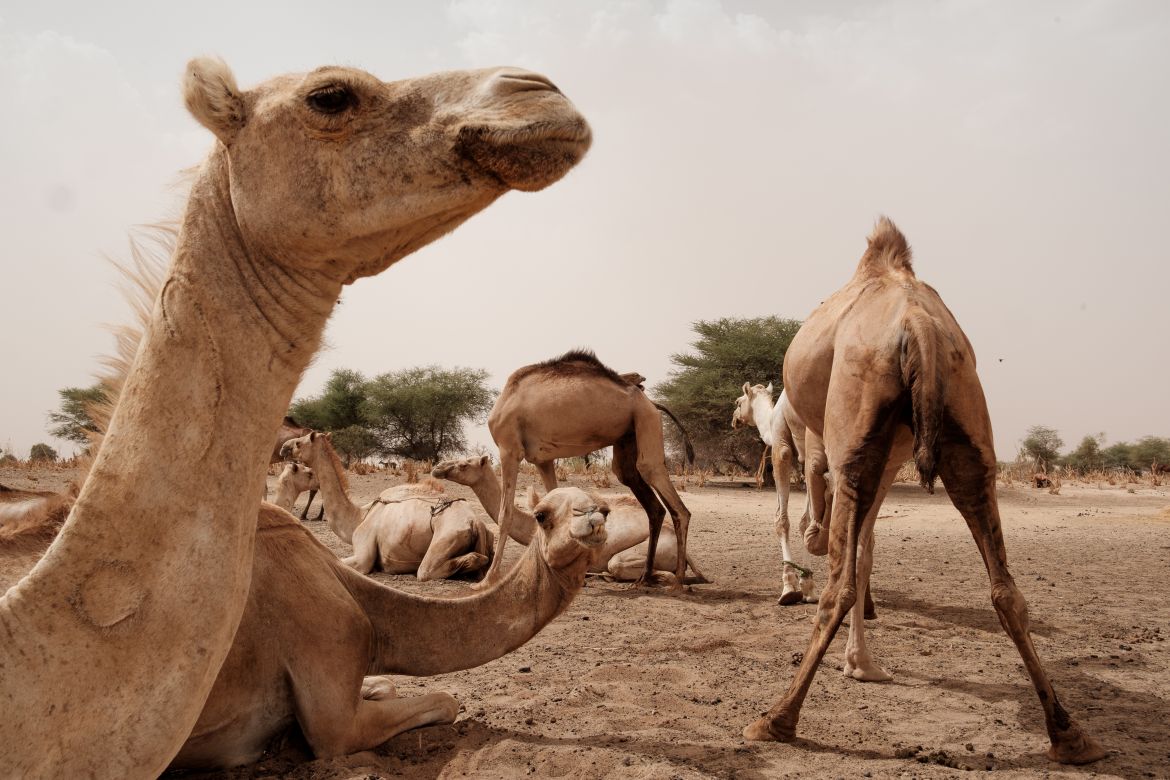
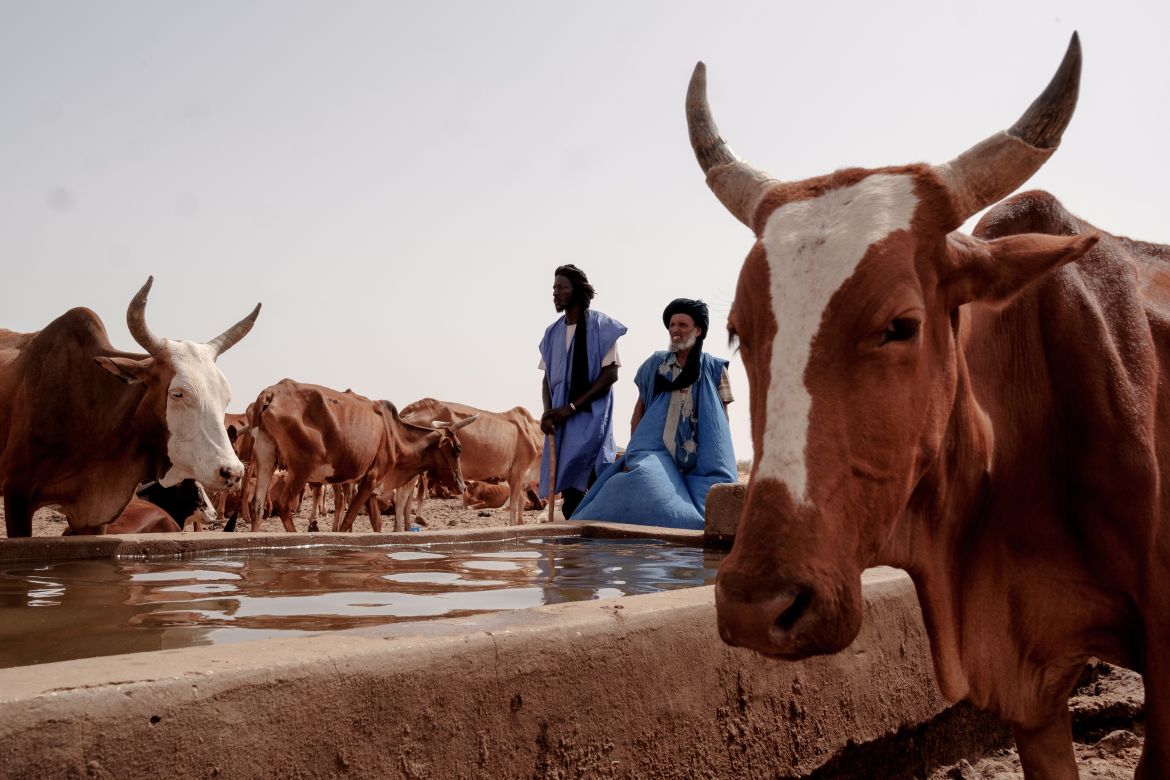
Life is tougher now, but it goes on. Camels, cows and sheep still graze the scrubland and drink from water brought up from the wells, even if it takes more effort from their human minders these days.
In some instances, men have to untie the scarves around their heads to add another few metres to the length of the rope they use to send buckets down a well. It might be harder to get, but amid temperatures creeping past 45 degrees Celsius, the water is still cool and refreshing, a thirst-quenching drop of consistency among the hot, dry winds of change.