In Pictures
Photos: War-ravaged Sri Lankan Tamils suffer amid economic crisis
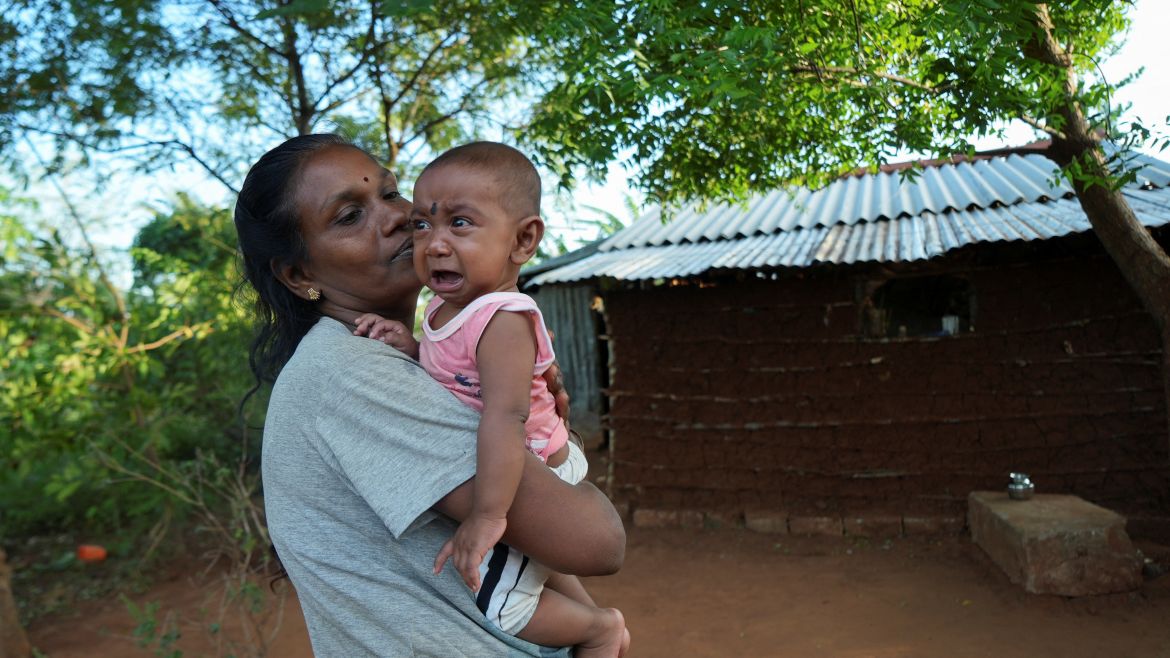
The current crisis is a second blow to the Tamil population, already ravaged by the civil war’s final offensive.
In Pictures
The current crisis is a second blow to the Tamil population, already ravaged by the civil war’s final offensive.

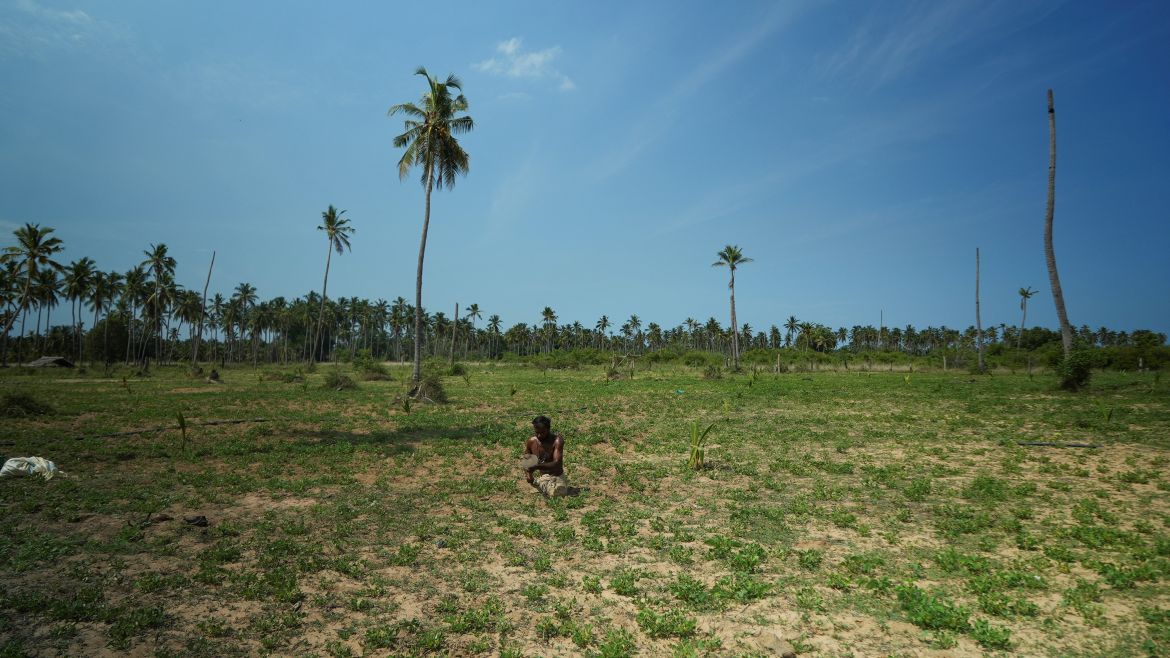
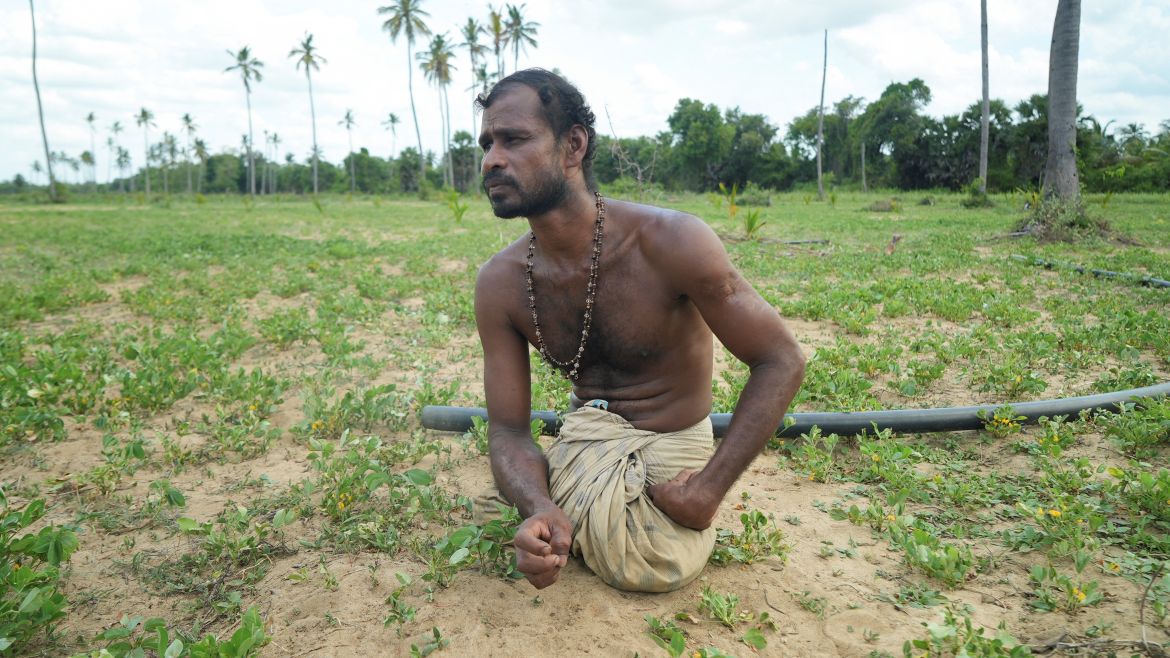
Under a blazing sun, a 44-year-old Tamil man tends his rented patch of peanut field in Sri Lanka, only able to move around on his hands because an air raid in 2009 took both his legs and injured his left arm.
“I have more difficulties than a daily wage labourer,” said Singaram Soosaiyamutthu, striking his spade against the earth in a daily struggle to beat inflation that has put many necessities out of reach.
The 2009 air raid was during the last stages of a 26-year civil war between the Sri Lankan government and the Liberation Tigers of Tamil Eelam (LTTE) group that fought for an independent Tamil state.
The mostly Tamil population of this northern coastal district of Mullaitivu was ravaged by the war’s final offensive, and today’s economic crisis has come as a second blow.
Many residents work as daily labourers to get by, he said, but he cannot.
“If I go for daily wage labour, nobody will hire me, and it’s also not possible for us to go and work like this, is it?” he asked.
He worked as a fisherman before the economic crisis – Sri Lanka’s worst in 70 years – dried up fuel supplies, forcing him to turn instead to peanut farming to earn money.
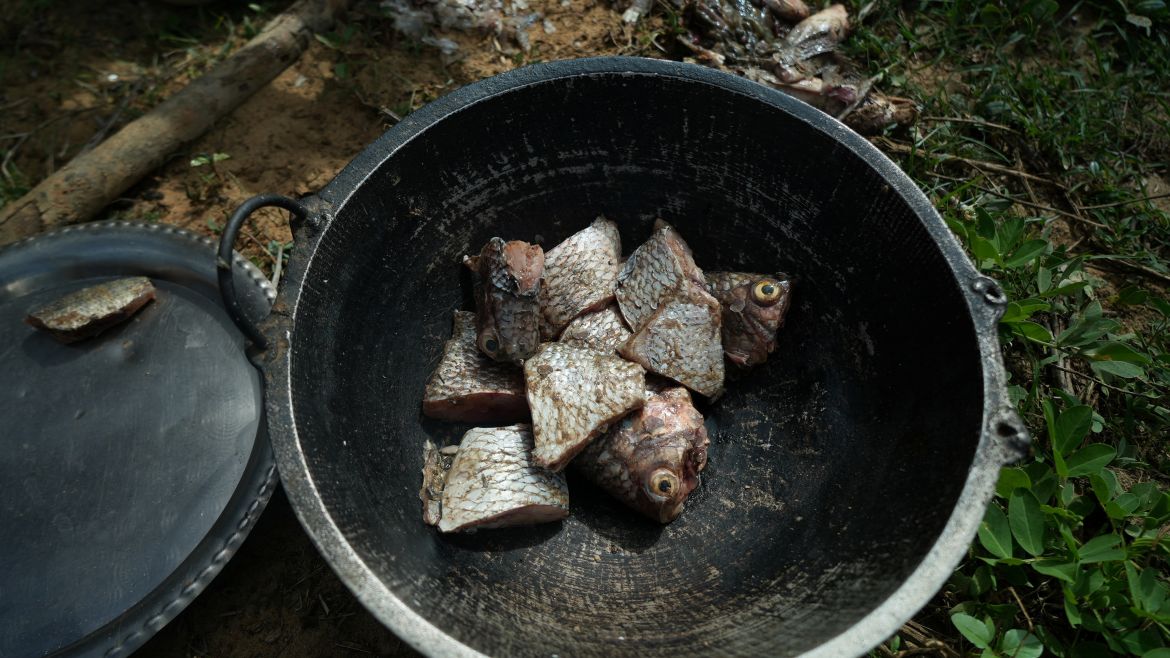
“Even if we have to control our own hunger, we can’t tell our children: ‘Look kid, this is all there is to eat, now just go to bed,’ can we?” he said.
His family is among 6.2 million Sri Lankans estimated to be food insecure by a United Nations’ Food and Agriculture Organisation, as food inflation hit 93.7 percent last month.
Sri Lanka’s financial crisis is the result of economic mismanagement and the coronavirus pandemic, which destroyed its tourism sector, a key revenue earner.
For months, the population of 22 million has struggled with power cuts, rampant inflation, a plummeting rupee and a shortage of foreign exchange reserves that made it difficult to pay for imports of food, fuel and medicine.
Mullaitivu is Sri Lanka’s second-poorest district, with 58 percent of households living in poverty, a Save the Children survey showed in June, and it has the largest number of those saying they lost all their income due to the crisis, about a quarter.
Nationwide, 31 percent of adult respondents said that, like Soosaiyamutthu, they cut back their food intake to feed their children.
“With this economic crisis, they are being pushed from bad to worse,” said Soma Somanathan, the founder of the Tears of Vanni charity, which helps people in the region.
“They are actually being pushed back to the stage where they were directly after the war,” added Somanathan, who is based in Sydney.
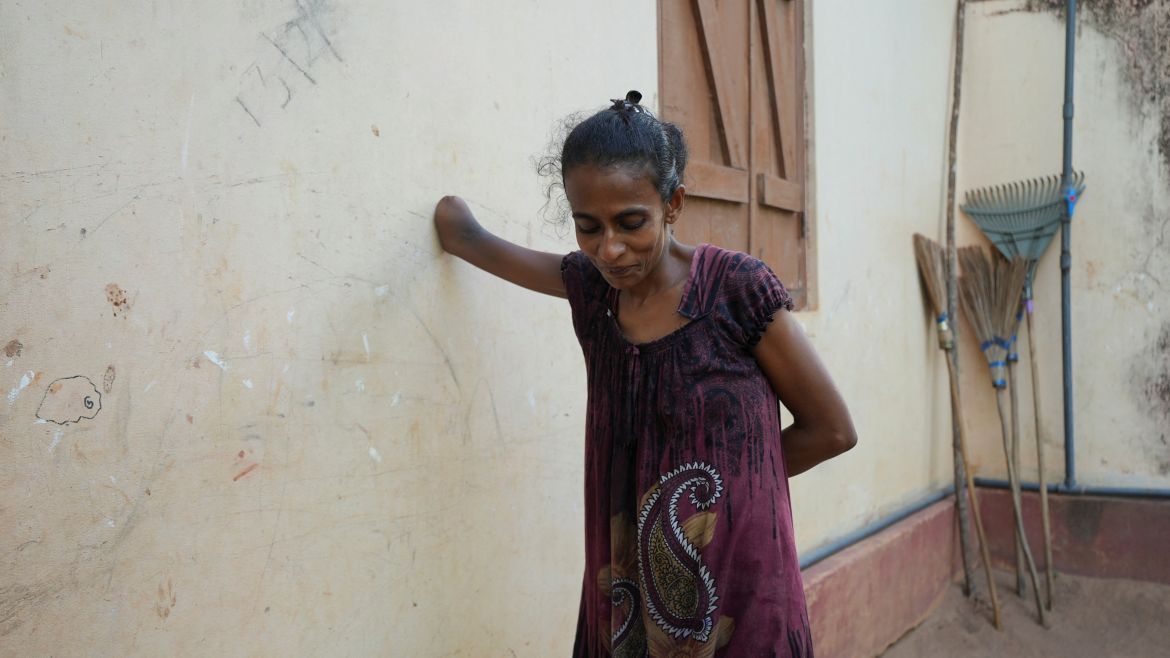
Sentheepan Kalachelvi, who lives with a disability due to shelling after being displaced during the final months of the war, said the adults in her family sometimes went hungry to ensure the children had enough to eat and that she could only shower every other day due to fuel shortages.
“Poor people are still being pushed down in society around here,” said the 38-year-old housewife, who has a prosthesis replacing her left leg and the stump of a right arm.
Kalachelvi, widowed and unable to work because of her disabilities, relies on her mother’s work as a day labourer and gets 5,000 rupees ($14) a month from Tears of Vanni.
The UN refugee agency estimated in 2010 that the final stages of the civil war had internally displaced approximately 300,000 Tamils like Kalachelvi from their homes.
Sri Lanka is extending a welfare effort that covers 4 million homes to include those hit hardest by the crisis, said Neil Hapuhinne, secretary of the social empowerment ministry, and plans direct monthly cash transfers to 600,000 more people.
“The most deserving will be identified and helped,” Hapuhinne added.
This year, 51.3bn rupees ($146m) have been disbursed to 3.2 million households.
A loan of $200m from the Asian Development Bank will also alleviate the food crisis, while the government has turned to the World Bank and UN agencies.
At dusk, Soosaiyamutthu drops his spade. It will be two months before he can see if his peanut harvest will be successful.
“If prices went down, we wouldn’t struggle this much,” he said.
“Now, even being 10 percent OK is a struggle. That’s how expensive things are.”