In Pictures
Photos: UNRWA camp in Gaza stirs painful memories of the Nakba
Palestinians struggling to survive as Israel bombs Gaza say tents provide them with little hope or safety.
In Pictures
Palestinians struggling to survive as Israel bombs Gaza say tents provide them with little hope or safety.

An eerie image has emerged in recent days in a sandy industrial zone in the southern Gaza Strip.
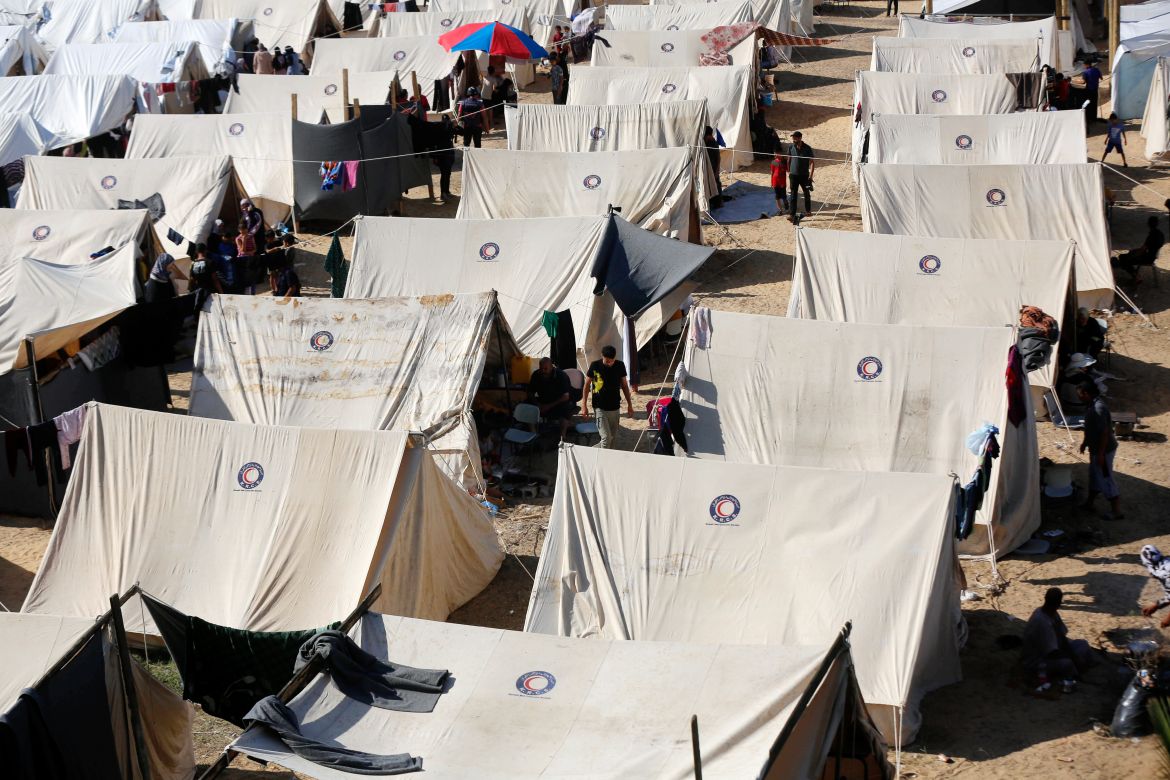
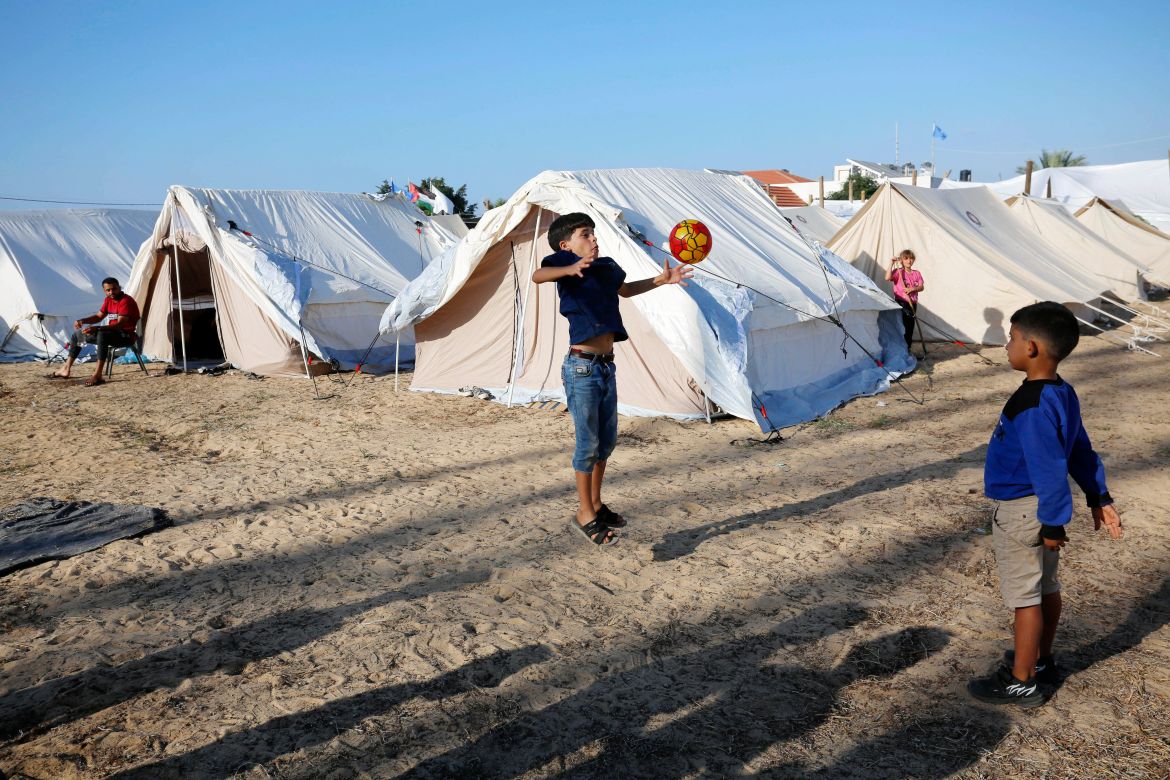
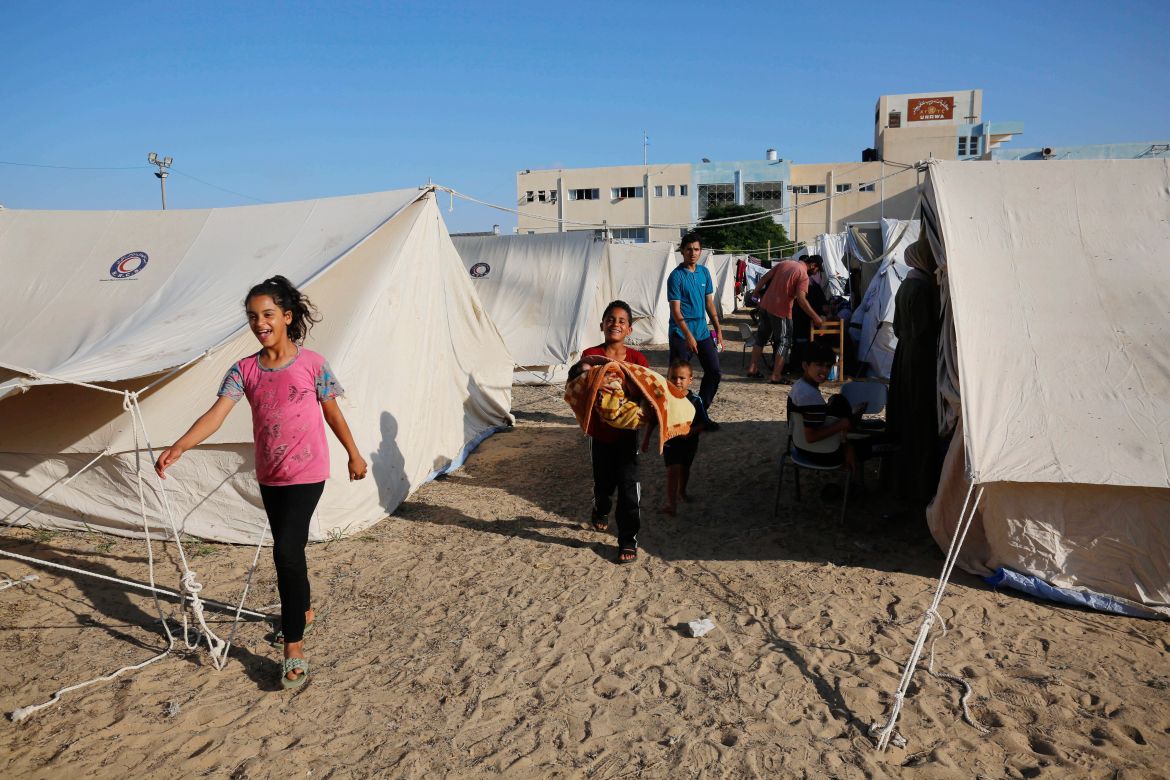
Hundreds of tents have been set up in Khan Younis, aligned in neat rows, for the thousands of recently displaced Palestinians who have fled the indiscriminate Israeli bombardment over their homes in the northern Gaza Strip.
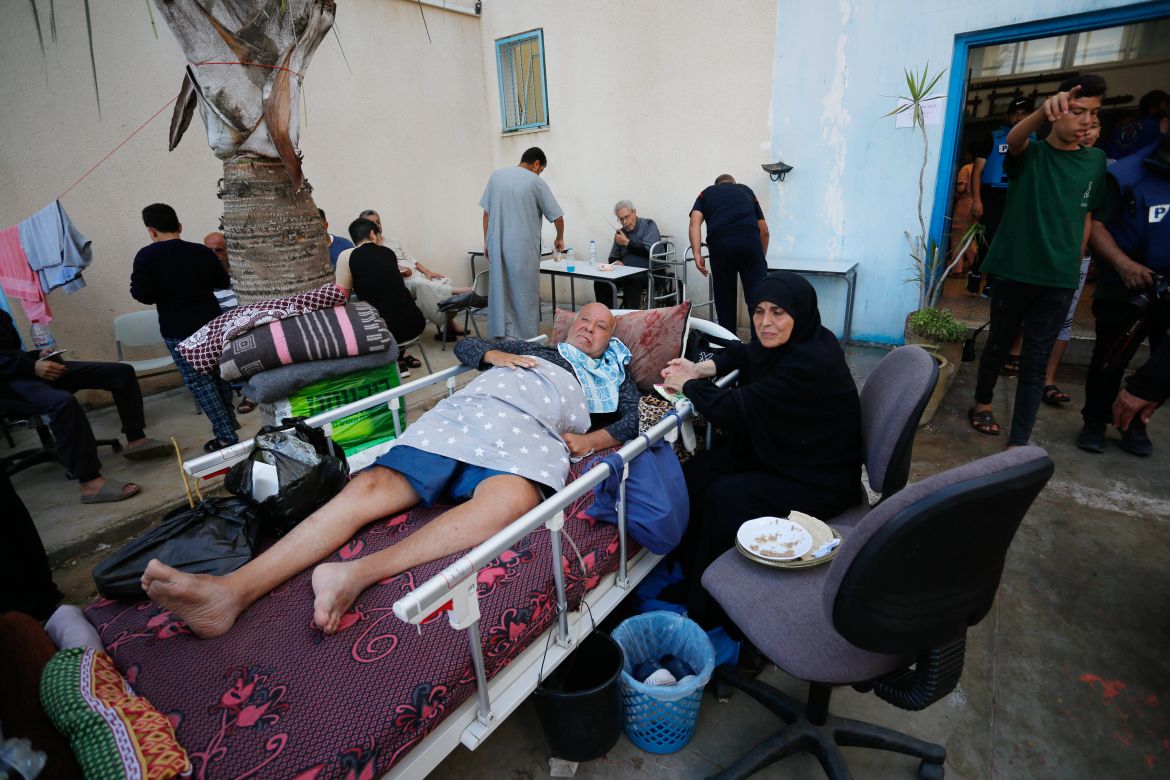
According to the United Nations, at least one million Palestinians in the besieged coastal territory – half of the total population – have been displaced over the past two weeks.
On Wednesday, the new camp was set up by the United Nations refugee agency, next to one of its schools.
“We are so tired,” Asmaa al-Ustaz, a 34-year-old mother, told Al Jazeera.
She had fled with 52 members of her extended family, some of whom were barefoot, from their home in the Sheikh Radwan neighbourhood, northwest of Gaza City.
“We slept the first two nights on the ground, with no shelter or anything,” she said. “Then UNRWA gave us the tents, which have the Red Cross sign stamped on them.”
Al-Ustaz said she feels as though she is reliving the 1948 experience all over again, when Zionist paramilitaries destroyed more than 500 villages and towns – paving the way for the establishment of Israel. Thousands were killed, and more than 750,000 Palestinians were forced to uproot in what is known as the Nakba, or catastrophe.
“The tent is a symbol of exile, destruction, oppression, the Nakba, genocide,” she said. “We don’t want organisations to pity us. We want our rights. We want protection. We want our children to enjoy the rights given to other children in the world.”
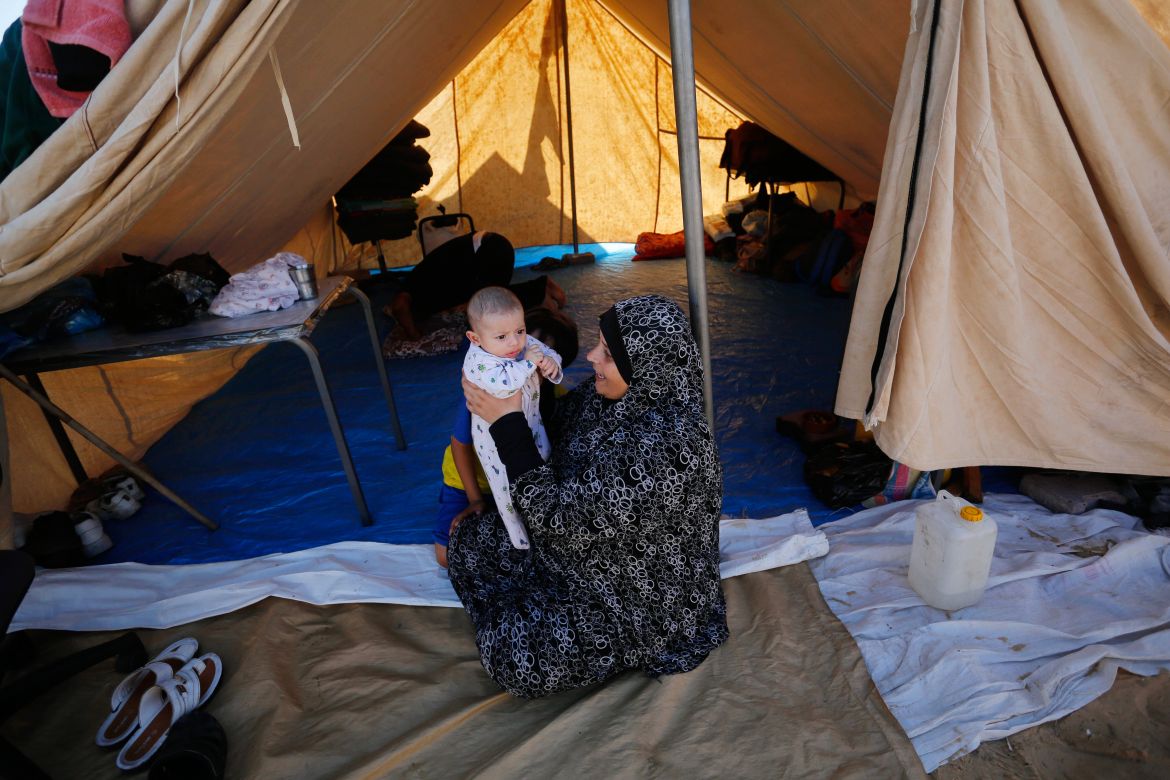
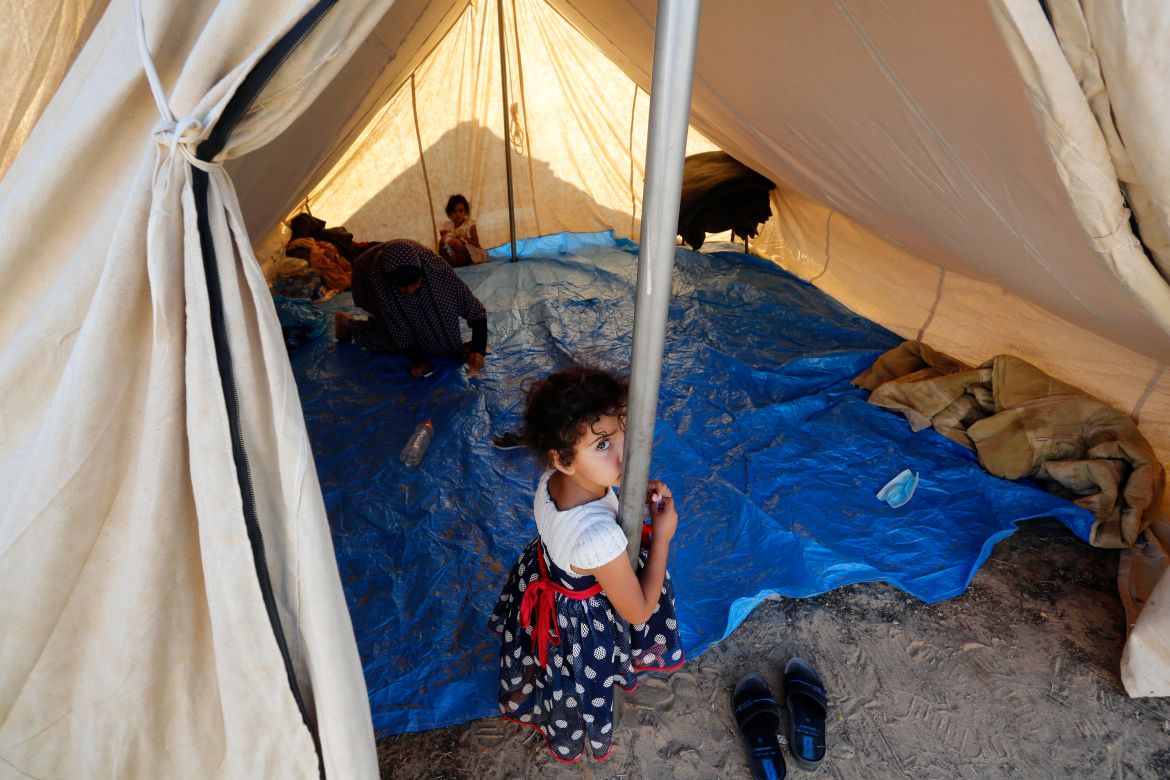
Inside one tent, a single white pole in the middle holds up the roof. The floor is covered by a tarp, and on top of that, just blankets for furniture.
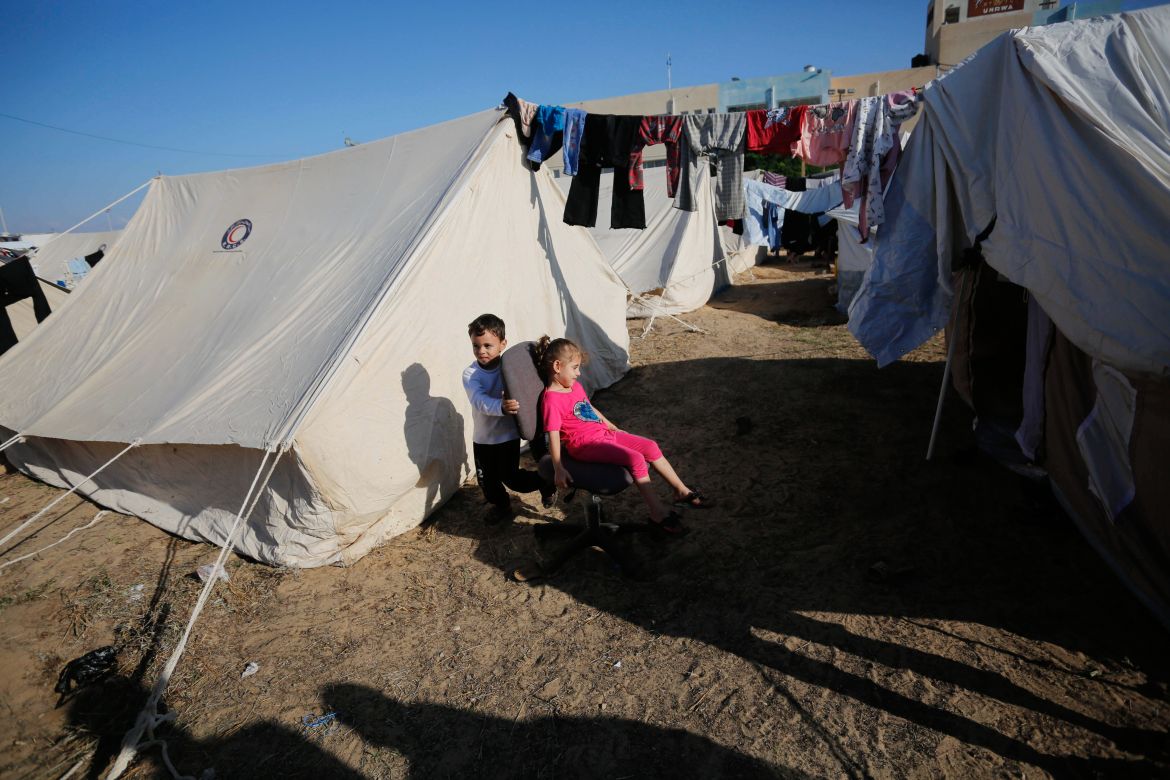
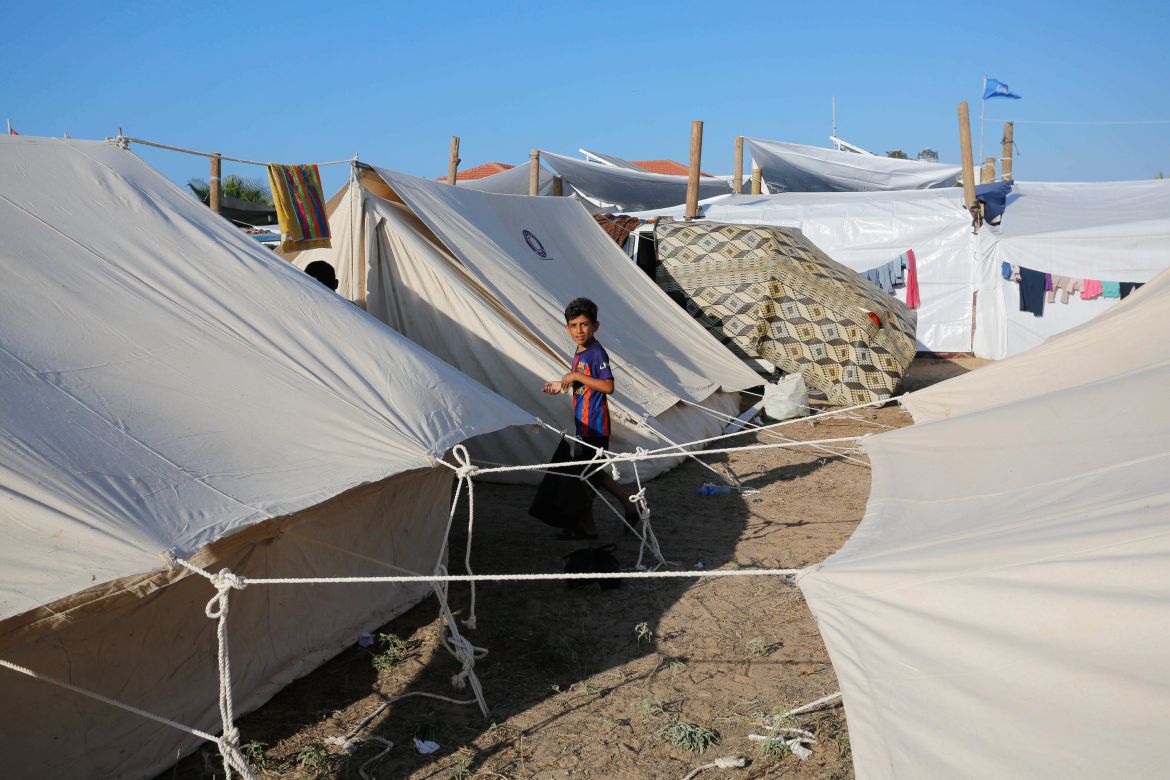
Clotheslines have been set up between the tents, to hang clean laundry that is to be washed by hand in plastic tubs.
Doha Hamoudah, a 19-year-old engineering student, said her family fled with six others from Beit Lahiya.
“People weren’t being warned about the bombs and were killed inside their houses,” she said.
This new camp is not safe either, she said, pointing to the site of an Israeli air raid that targeted an adjacent area on Thursday.
“We have no electricity, no water, no internet, or any kind of connection,” she said. “We don’t even know our own news. The world knows more about what’s happening to us than what we know.”
Fida Yaser Zaqqout, from the northern Jabaliya refugee camp, said six members of her family were killed in the Israeli bombing.
“Our home was not safe, neither our relatives’, and even here in the area there is still Israeli bombing,” she said. “Do you hear that? Those drones and warplanes are always in the sky.”
The mother of three young children said she feels like history is repeating itself.
“It’s the same images as from the Nakba,” she said. “Refugees in tents back then, us in tents now. This is not a life. The world knows what is happening to us. Do they not have any mercy?”