In Pictures
Millions of Somalis uprooted due to conflicts and climate change
After years of conflict and the effects of climate change, the number of displaced people has reached 3.8 million.
In Pictures
After years of conflict and the effects of climate change, the number of displaced people has reached 3.8 million.
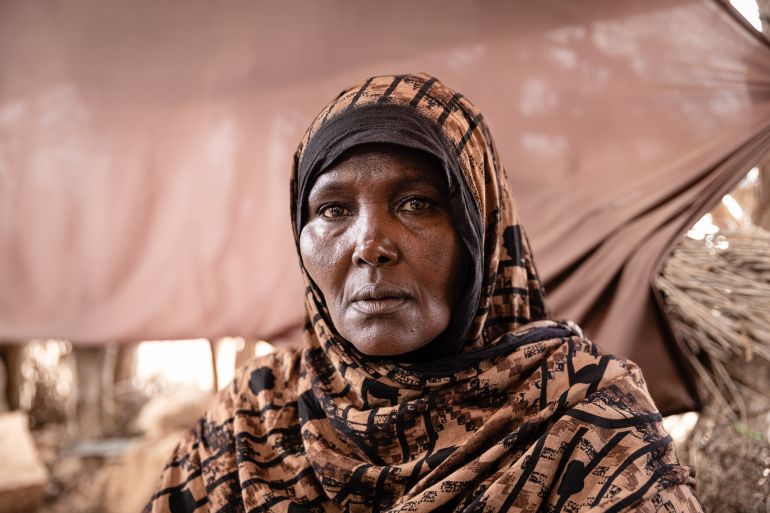
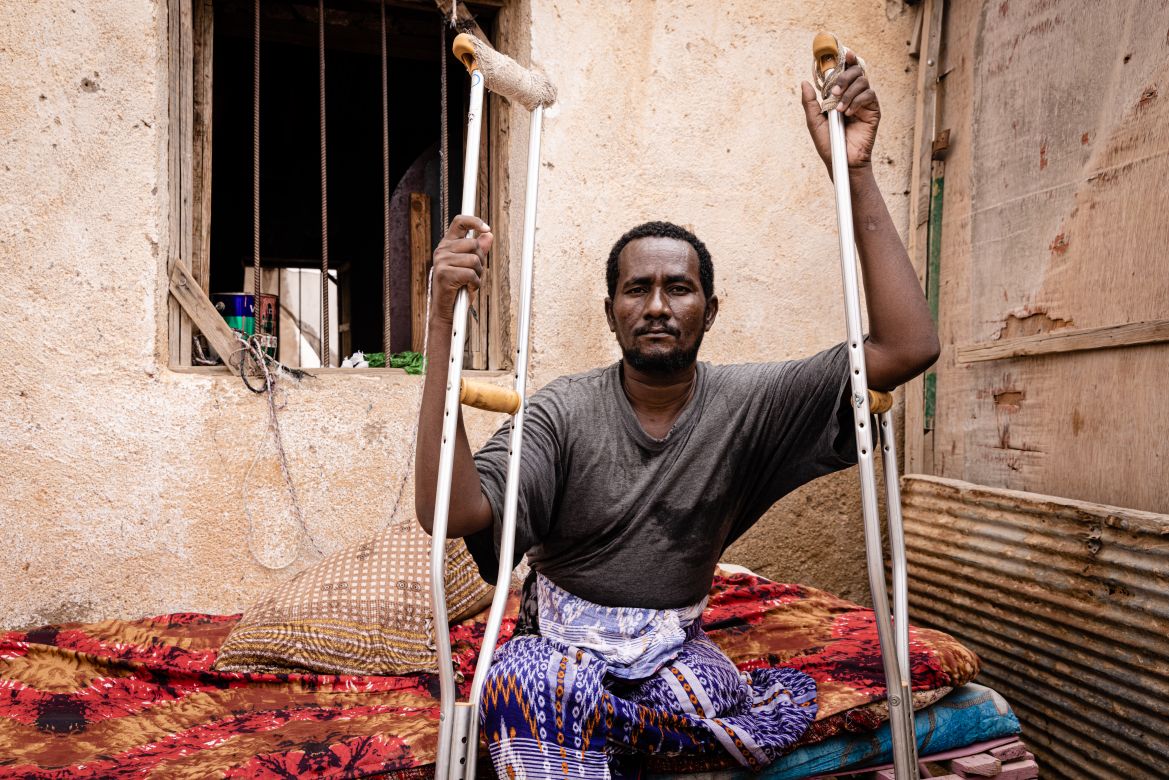
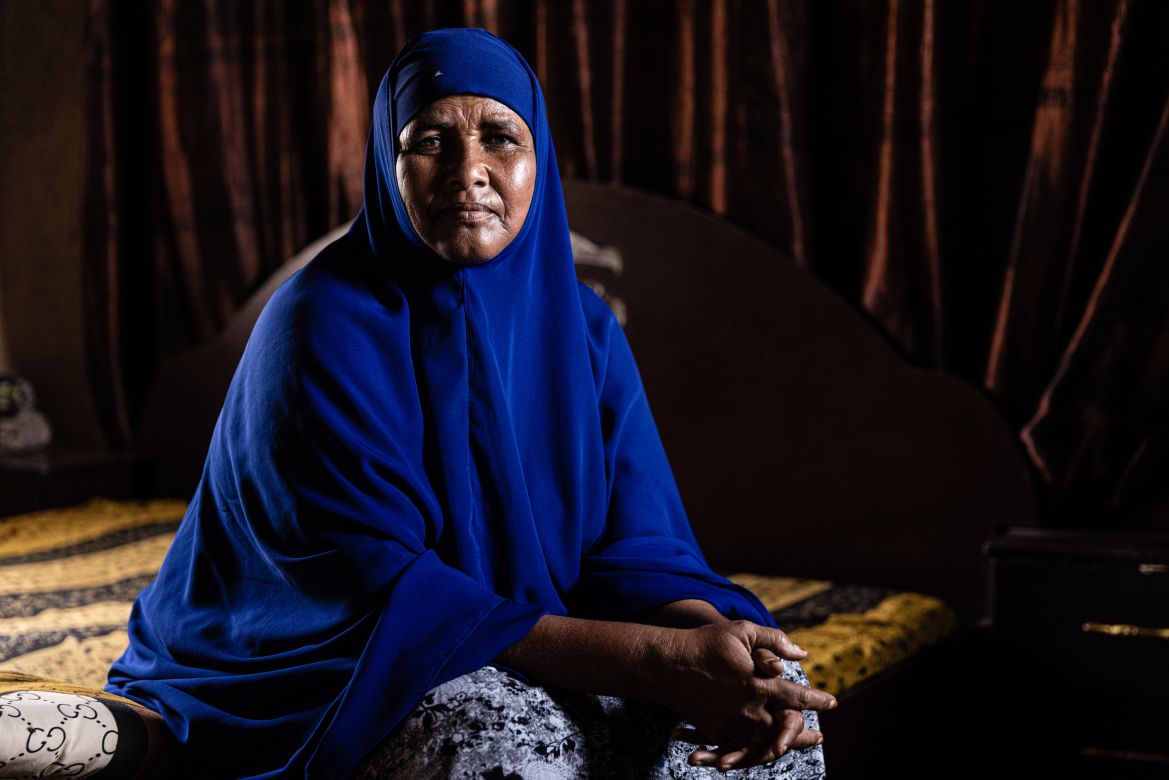
Amina Jamaa Hussein fires off a flurry of questions on the phone as she sits cross-legged on a plastic mat in a camp at Garowe, the capital of Somalia’s Puntland province.
“’Where are you now? Are you all right? Is the fighting still going on?” she asks, worried about her family in the city of Las Anod, capital of the Sool region in nearby Somaliland.
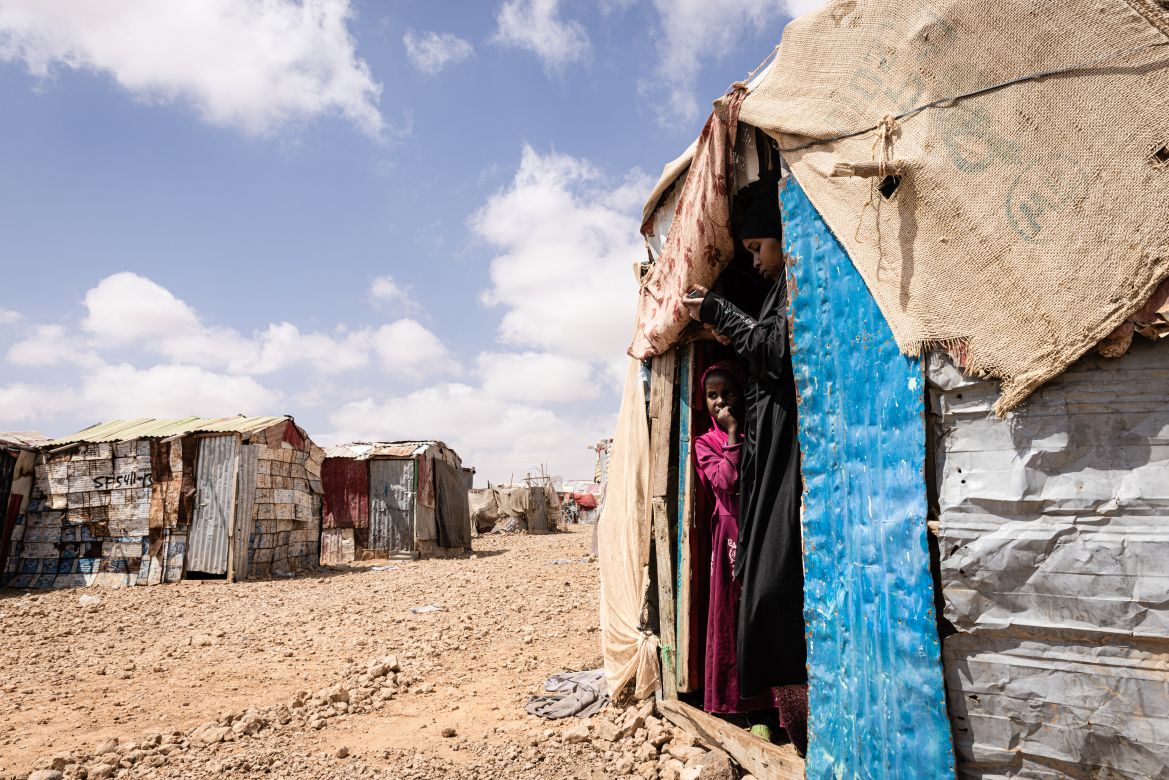
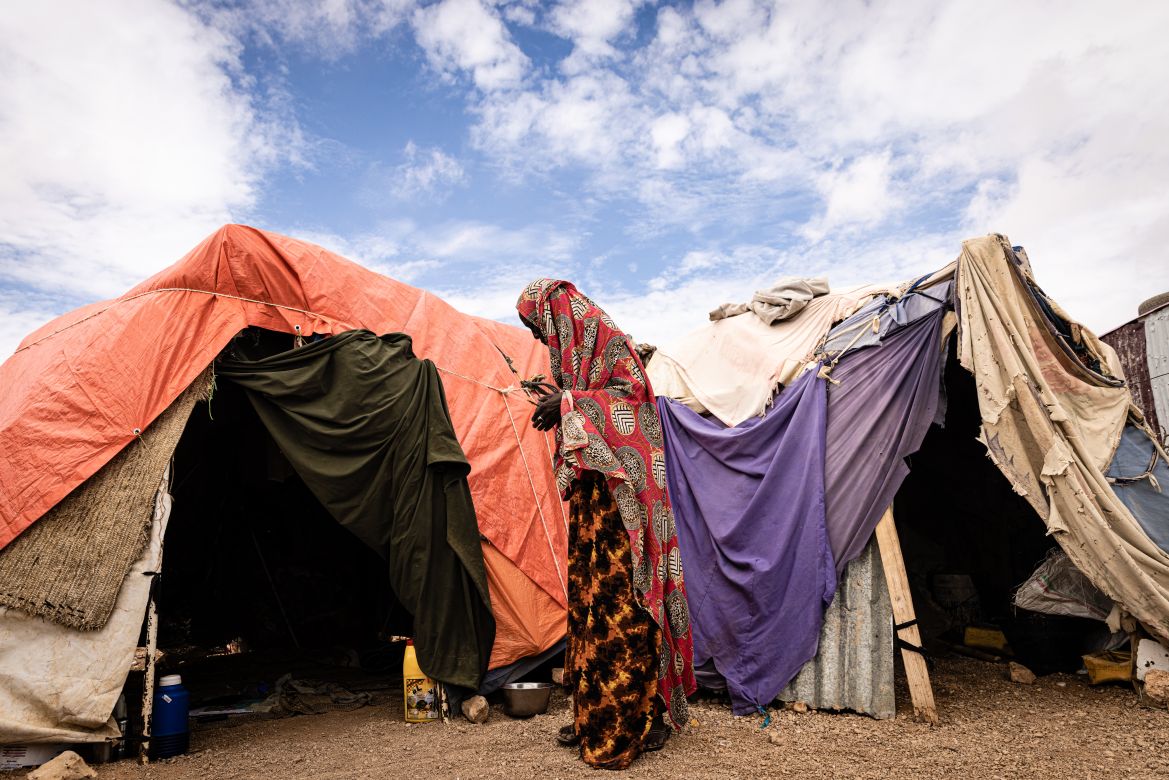
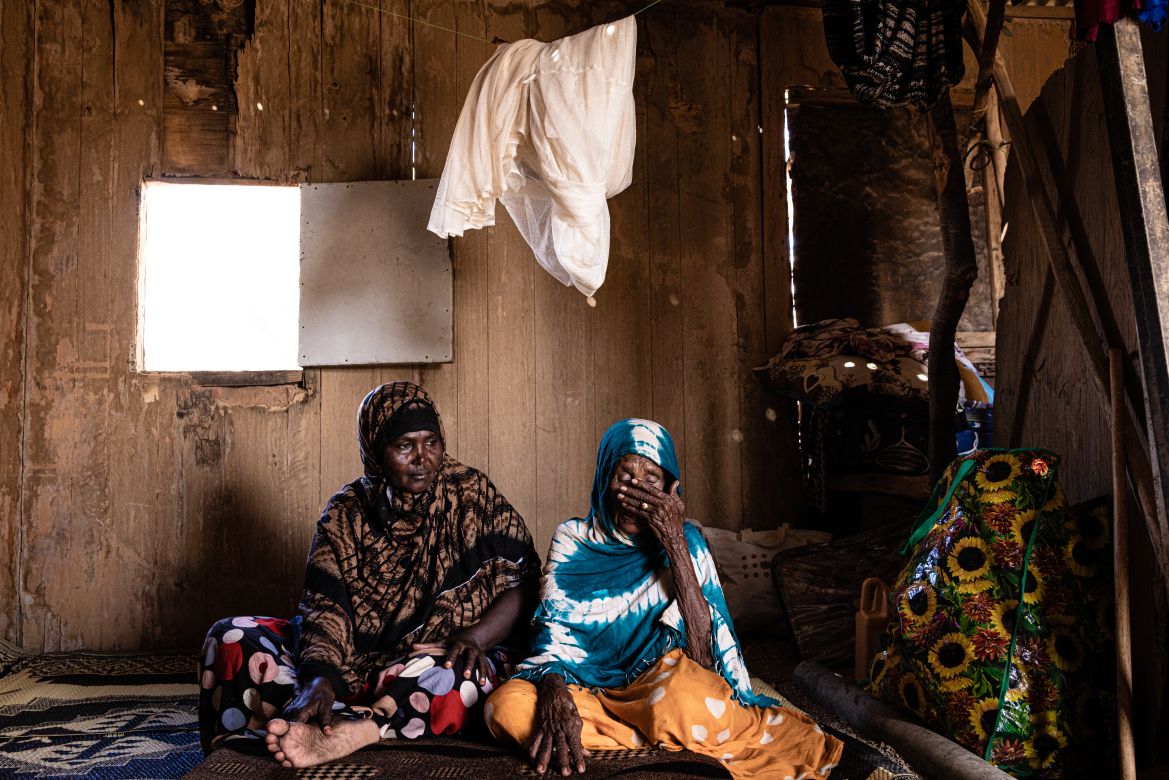
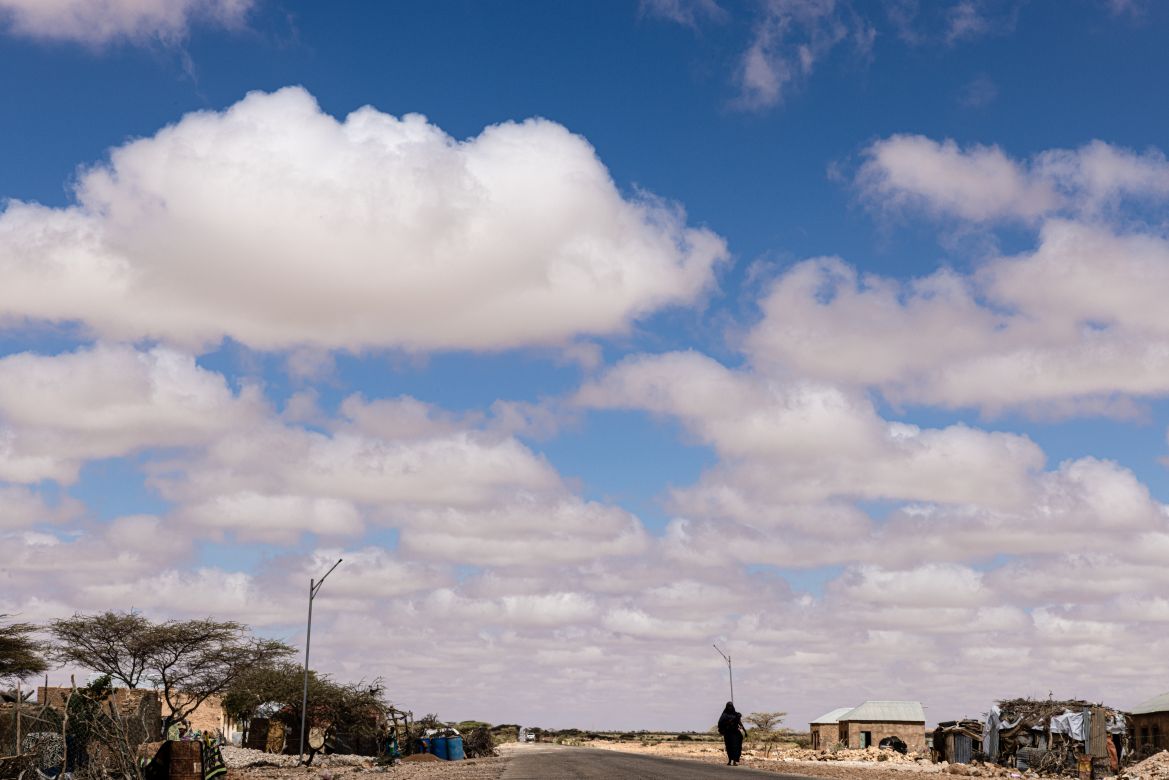
The camp is a collection of shacks made of tarpaulins and corrugated iron. As far as the eye can see there is not a single patch of green. A five-year drought has left this land scorched, and at the height of this rainy season, the clouds hanging low above the camp carry little promise of rain.
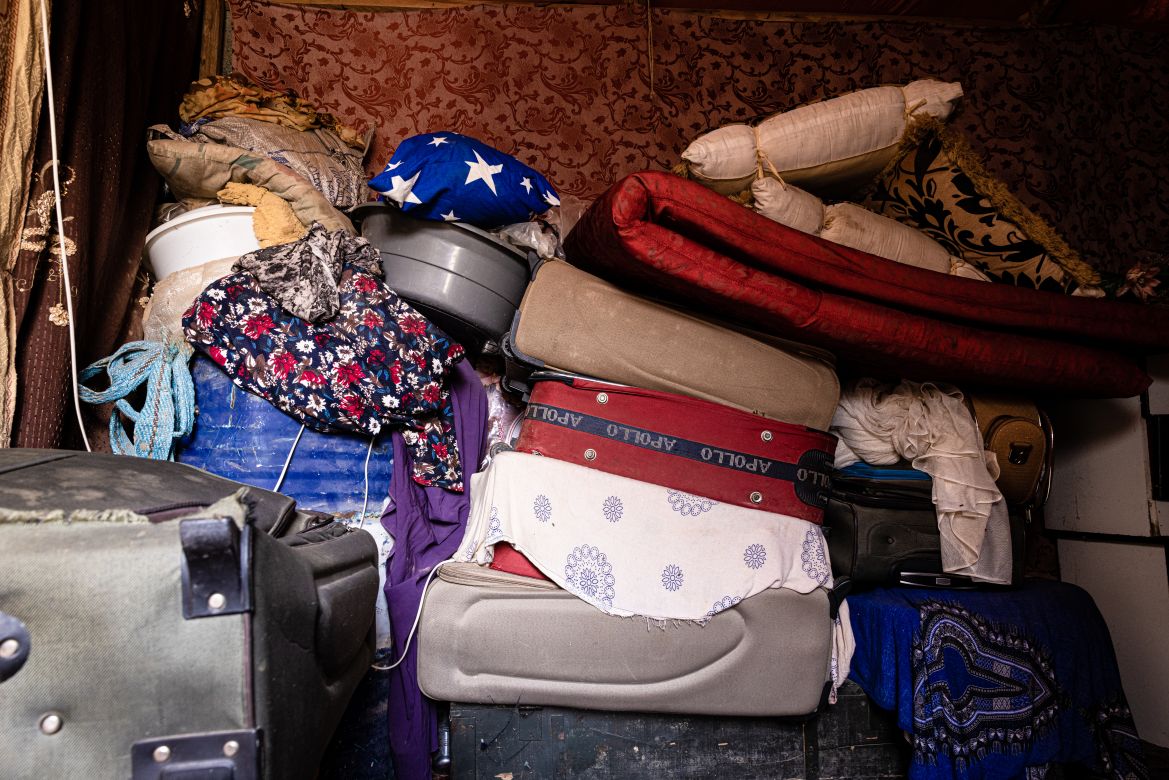
Together with four of her children and five grandchildren, Hussein abandoned her house and all her belongings and fled Las Anod. The family left after they awoke to terrifying sounds of shelling and gunfire in February as Somaliland’s army fought with local clan militia.
“We ran with only the clothes on our backs and left the house open. We didn’t even lock the door,” Amina says.
Without the fortune of having friends or relatives to stay with in Garowe, their only choice was to settle in a camp for displaced people. Such camps have dotted the suburbs of Garowe for decades, populated by people who have fled conflict and violence in other parts of the country or by those whose livestock have died in the worsening drought.

Every Saturday, Amina lines up with other women in front of an improvised calling station set up by Somali Red Crescent volunteers. She makes a free phone call so she can hear from the rest of her family still in Las Anod.
“When I manage to speak to them, I feel reassured, but then the night comes again, and I worry myself sick,” she says.
After 30 years of conflict in Somalia, the effects of which have been compounded by the worsening effects of climate change, displacement has become an elemental part of life in Somali society. The number of displaced people has reached a new high of 3.8 million this year, according to the International Organization for Migration.
Internal displacement is one of the main drivers behind the country’s fast urbanisation. By 2026, its urban population will overtake the rural one, according to projections.
“People moving into the camps after their livelihoods were destroyed by conflict or drought struggle to adapt to the new realities,” says Pascal Cuttat, the head of delegation for the International Committee of the Red Cross in Somalia. “We try to provide emergency assistance, but what are the long-term alternatives available to them?”

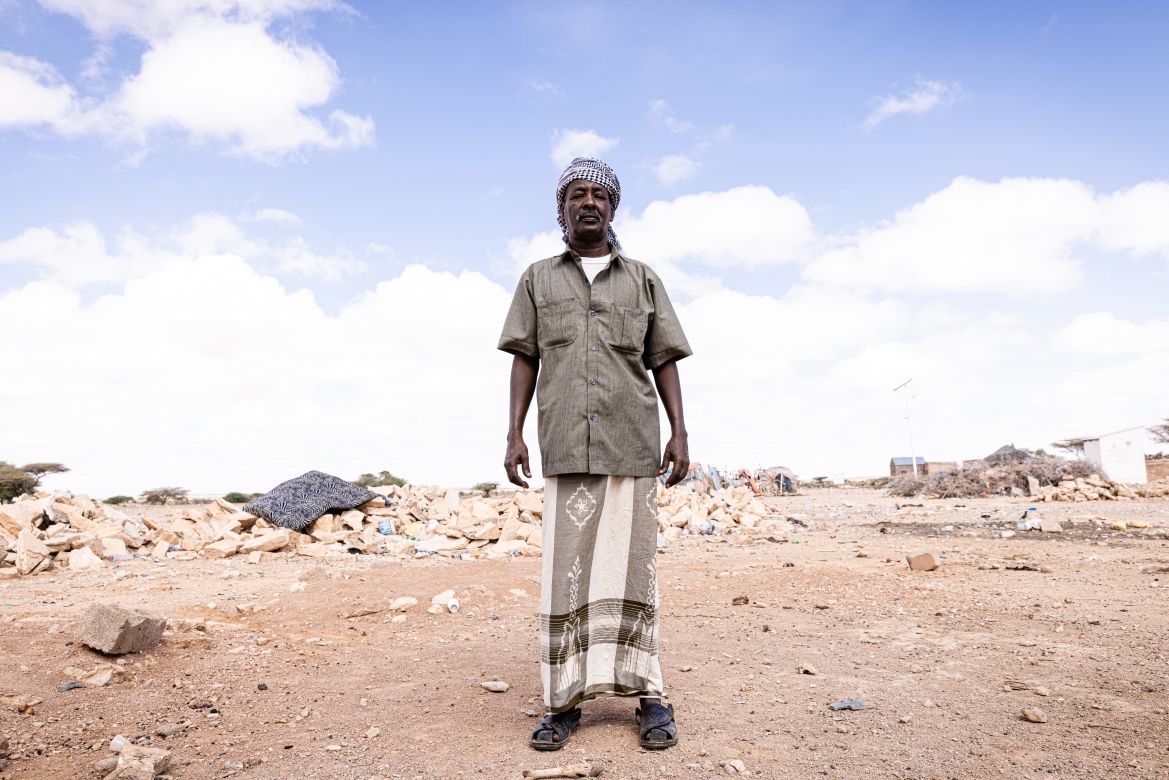
People living in the camp next to Amina’s are herders from traditional pastoralist communities. Somalia is one of the countries most vulnerable to the effects of climate change, and droughts have become so frequent and so severe that pastoralists find it hard to preserve their traditional nomadic lifestyle. When animals die because of the lack of pasture, the only remaining option for many is moving into the growing camps on the outskirts of cities.
Hospitality being one of the pillars of the Somali culture, many displaced people find food and shelter with host communities. People try to share the little they have even as the local economy is under strain because of the prolonged drought.
“People in this town have welcomed us. They are good people,” says Asha Awad Jama, a 50-year-old shop owner who recently fled from Las Anod to Burawadal village with her elderly mother and seven children. The painful loss of her home and life there and the uncertainty about the future of her family consume Asha.
“Our life in Las Anod was beautiful,” she says. “We lived in a house we owned. But the conflict is the worst thing. It makes you lose everything. So we left all we had behind and ran to save our lives.”