In Pictures
Beauty salons in Afghanistan are closing – on Taliban orders
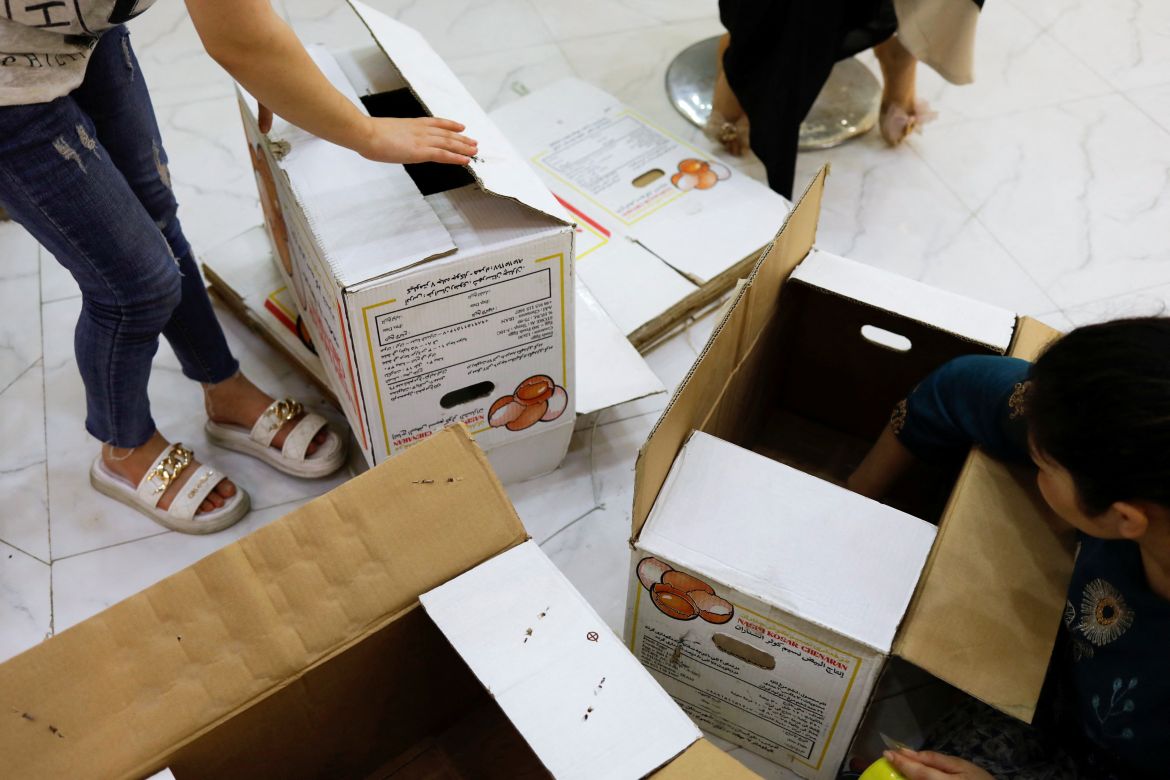
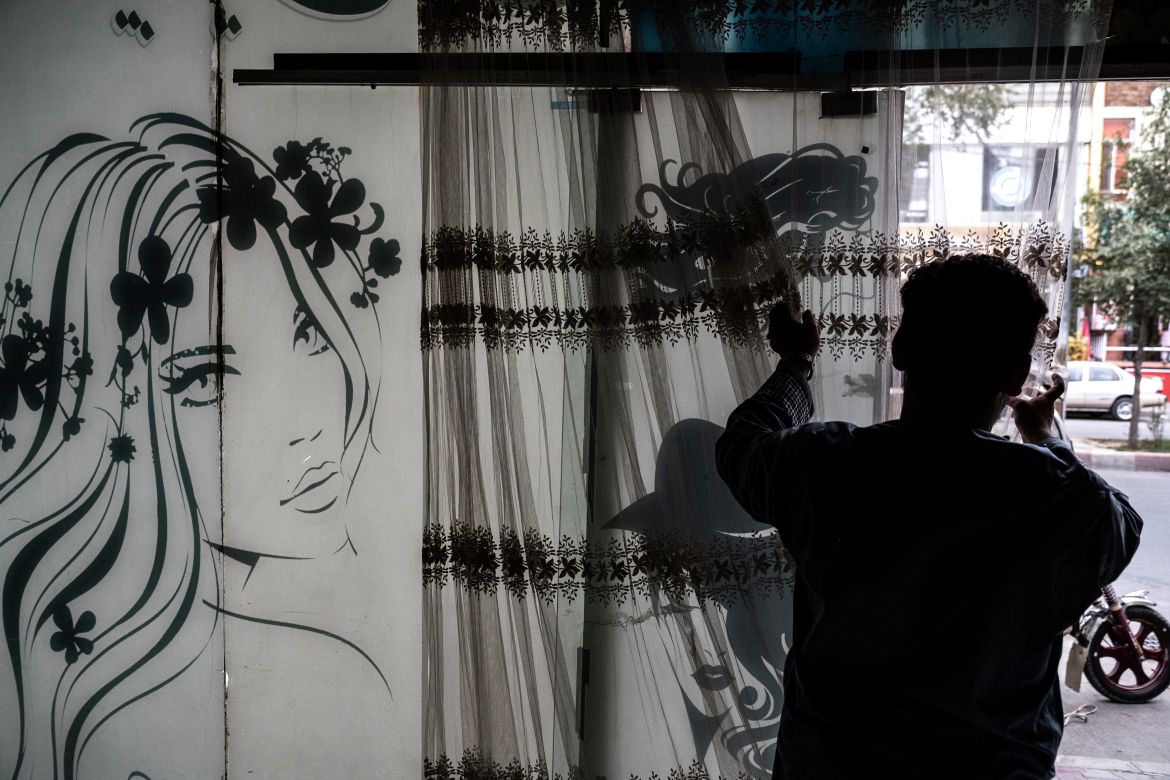
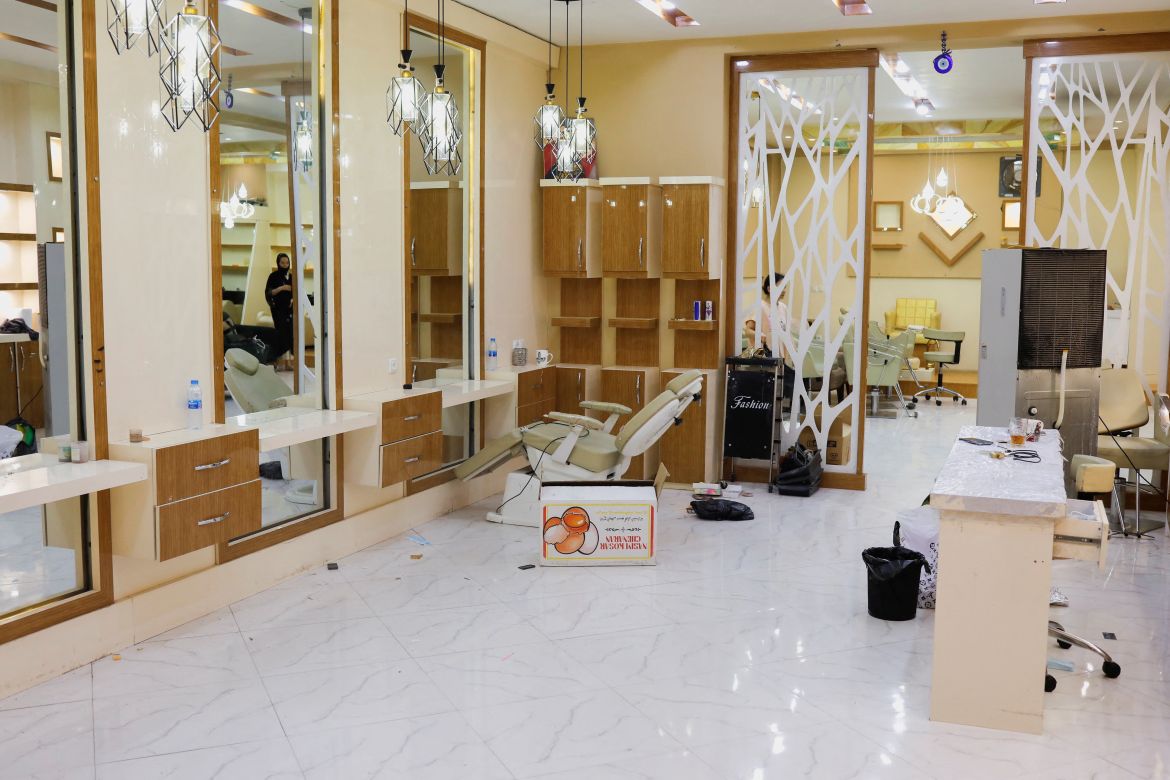
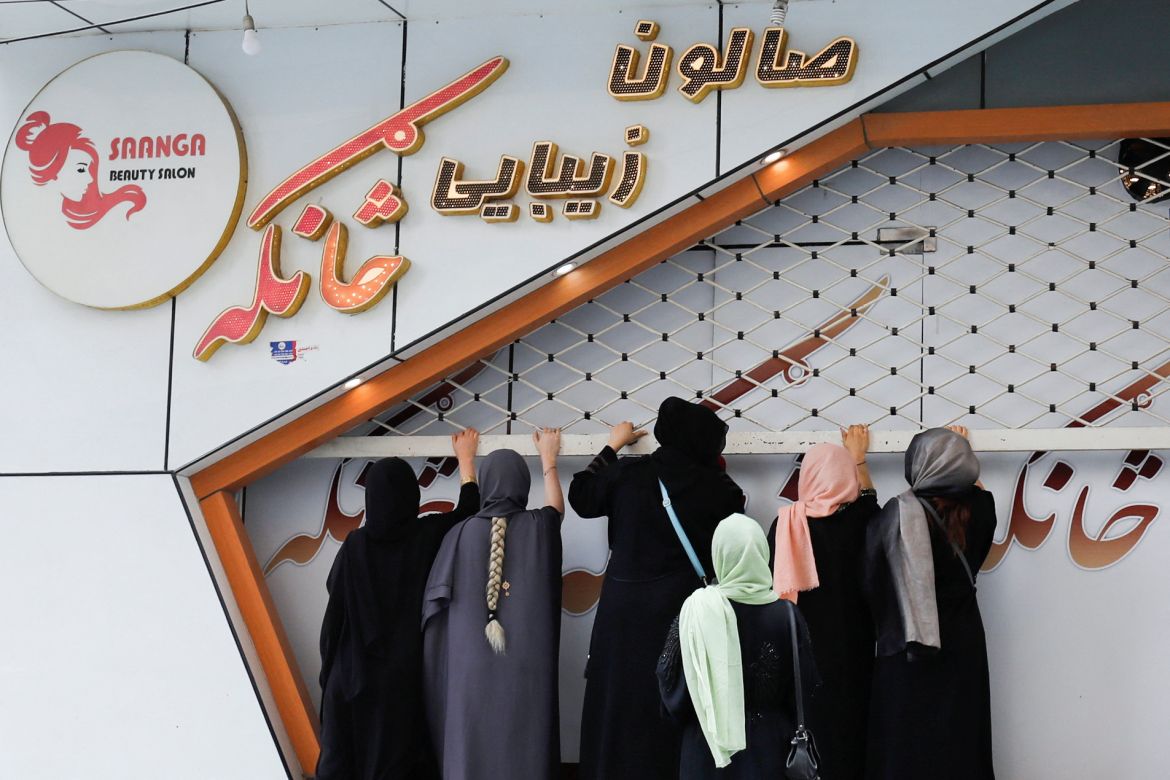
The shutting down of salons is the latest in a long series of curbs on the rights and freedoms of Afghan women and girls under the Taliban.
In Pictures
The shutting down of salons is the latest in a long series of curbs on the rights and freedoms of Afghan women and girls under the Taliban.

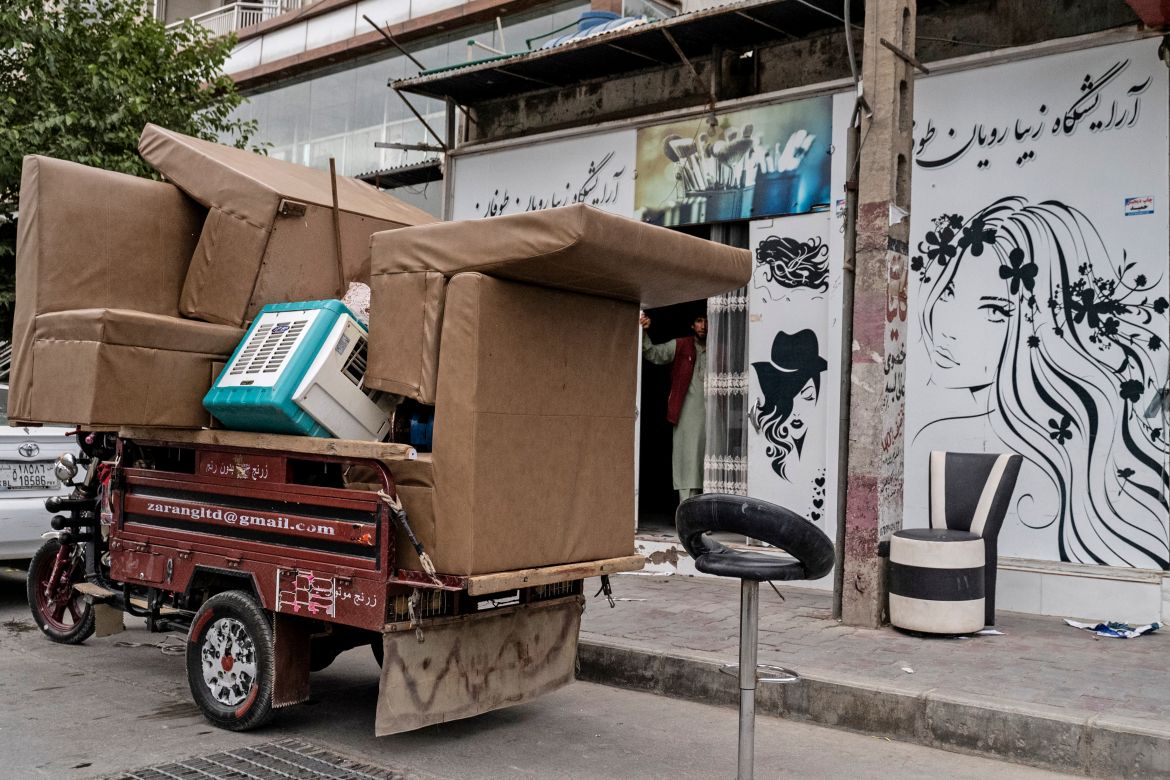
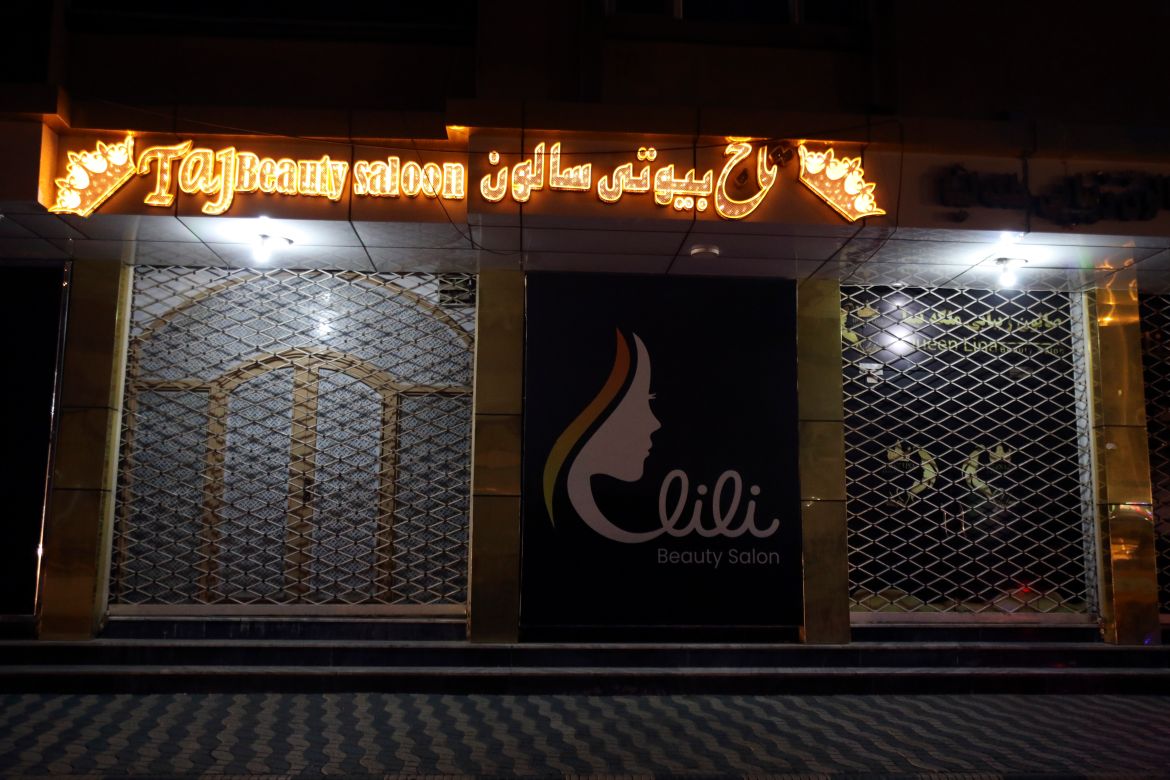
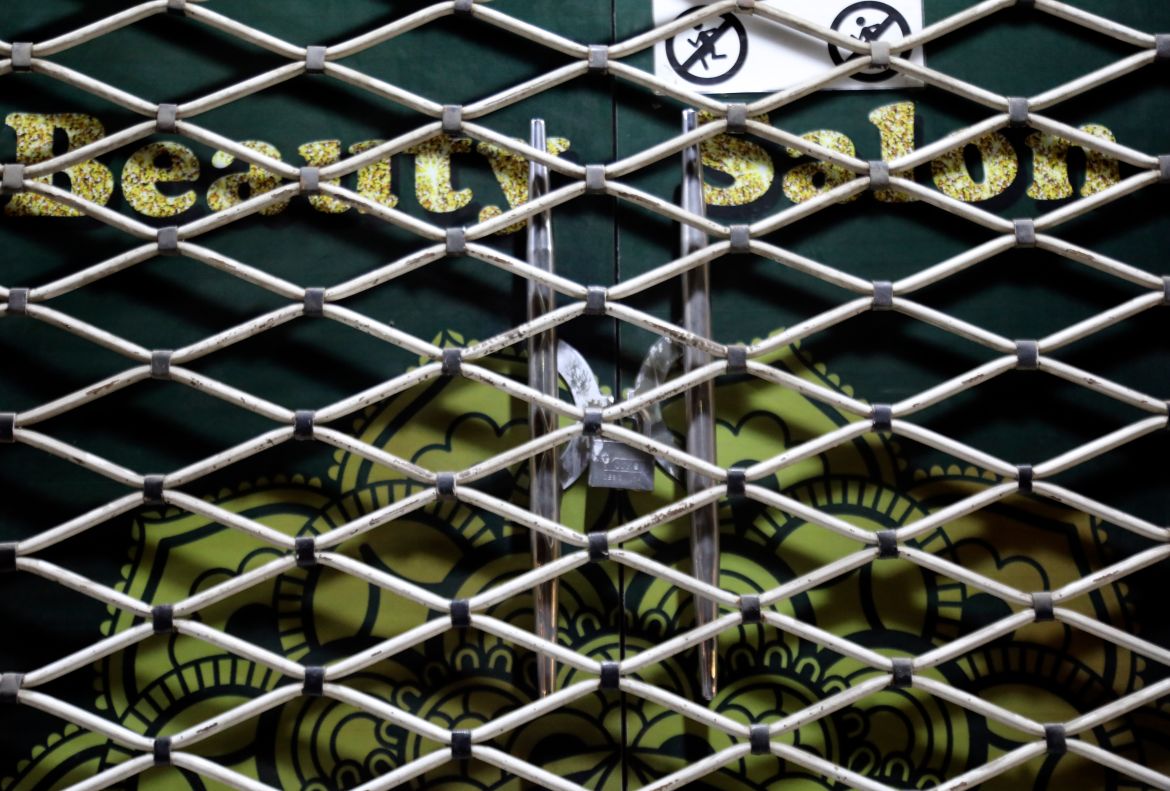
The Taliban announced on Tuesday that all beauty salons in Afghanistan must now close as a one-month deadline ended, despite rare public opposition to the edict.
Sadiq Akif Mahjer, spokesman for the Taliban-run Ministry for the Propagation of Virtue and Prevention of Vice, did not say whether it would use force against salons that do not comply.
The ruling is the latest curb on the rights and freedoms of Afghan women and girls following edicts barring them from education, public spaces and most forms of employment.
The Taliban said it decided to ban beauty salons because they offered services forbidden by Islam and caused economic hardship for the families of grooms during wedding festivities.
Its earlier announcement of a one-month deadline for salons to wind down their businesses led to a rare public protest in which dozens of beauticians and makeup artists gathered in the capital, Kabul. Security forces used fire hoses and tasers, and shot guns into the air in order to break up the protest.
The ban also drew concern from international groups worried about its impact on female entrepreneurs.
The Taliban listed a series of services offered by beauty salons that it said violated Islam. They included eyebrow shaping, the use of other people’s hair to augment a woman’s natural hair, and the application of makeup, which it said interferes with the ablutions required before offering prayers.
Grooms’ families have been required by custom to pay for pre-wedding salon visits by brides and their close female relatives.
“This isn’t about getting your hair and nails done. This is about 60,000 women losing their jobs. This is about women losing one of the only places they could go for community and support after the Taliban systematically destroyed the whole system put in place to respond to domestic violence,” said Heather Barr, associate women’s rights director for the New York-based group Human Rights Watch.
Despite initial promises of a more moderate rule than during their previous time in power in the 1990s, the Taliban have imposed harsh measures since seizing control of Afghanistan in August 2021 as United States and NATO forces pulled out.
They have barred women from employment and public spaces such as parks and gyms, and have cracked down on media freedoms. Millions of high school girls still remain out of school and universities have been declared out of bounds for female students.
However, some Taliban leaders have backed women’s empowerment, saying Islam grants women the right to education and work.
The measures have triggered fierce international criticism, increasing the country’s isolation at a time when its economy has collapsed and its humanitarian crisis is worsening.