Published On 1 Jul 20221 Jul 2022
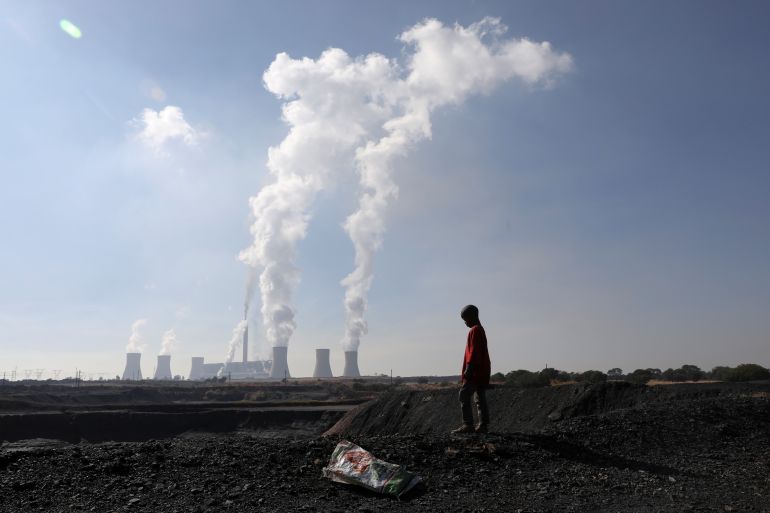
South Africa is facing its worst power cuts in two years as state utility Eskom implements “stage six” outages this week, meaning at least six hours without power a day for most South Africans.
Africa’s leading industrialised country – and second-largest economy – last experienced such drastic outages in December 2019.
Here is what you need to know:
What is happening?
- Eskom, which generates more than 90 percent of the country’s power, has struggled to meet electricity demands in South Africa for at least a decade, but the outages have not been this severe since December 2019.
- The loss-making utility, saddled with debt approaching 400 billion rand ($24.4bn), is trying to contain costs as part of a turnaround plan.
Why is this happening?
- Eskom has blamed the severe outages on a labour strike which started last week.
- The protests began after wage talks between Eskom and trade unions including the National Union of Metalworkers of South Africa and the National Union of Mineworkers reached a deadlock.
- Eskom has a total nominal capacity of 46,000 MW, but it said on Friday that more than 20,000 MW was offline due to breakdowns and planned maintenance.
- The state utility company was granted a court ruling to block the strike, but the protests have continued.
- Similar protests over wage talks in the past have also hampered operations. The utility is set to meet with workers’ unions on Friday to discuss a new pay offer to try to settle the dispute.
- With an ageing coal fleet that is highly prone to faults, Eskom has struggled to meet demand since 2007, choking economic growth.
- Eskom routinely implements scheduled power cuts, called “load shedding,” to prevent a strain on the system that could cause a total blackout and to replenish emergency generation reserves.
- Already burdened with unsustainable debt levels, its unreliable coal-powered plants force it to spend large amounts on diesel for backup generators while its tariffs are not yet cost-reflective.